



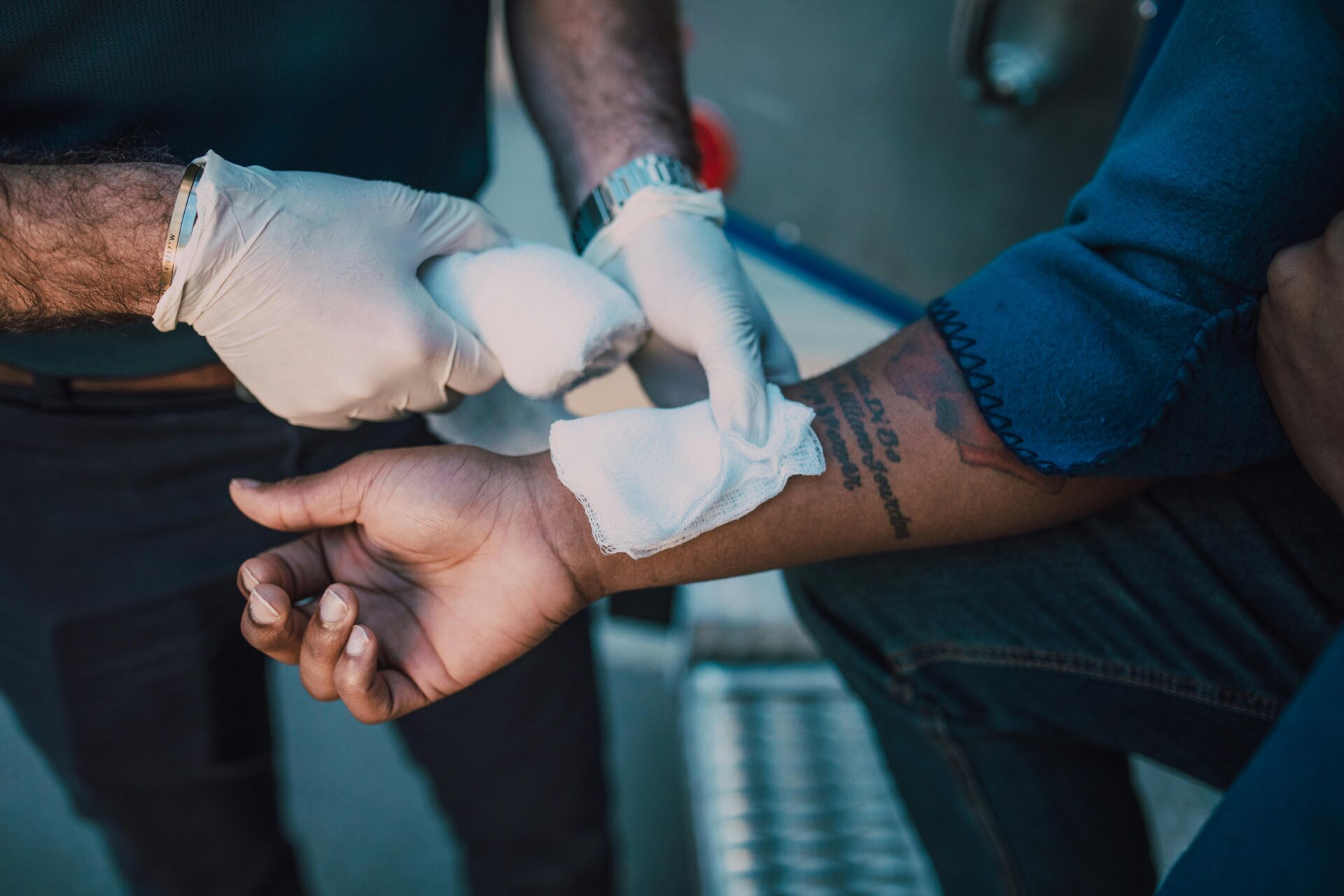
“I’m not really in pain, so I’ll see how I feel tomorrow.” That sentence costs Florida accident victims more money than any insurance adjuster ever will. Delaying medical care after a crash is dangerous for your health, and in Florida it can also forfeit your insurance benefits and hand the other driver’s insurer its best argument. Here is why the first two weeks after an accident matter so much, and exactly what to do with them.
Florida’s 14-day PIP rule
Florida is a no-fault state. Every registered vehicle must carry $10,000 in Personal Injury Protection, and that coverage pays 80 percent of your reasonable medical bills and 60 percent of your lost wages regardless of who caused the crash. It also covers you as a pedestrian or cyclist struck by a car. But section 627.736 of the Florida Statutes attaches a condition: PIP pays only if you receive initial services and care within 14 days of the accident. The initial visit must be with a medical doctor, osteopathic physician, dentist, chiropractor, physician assistant or advanced practice registered nurse, or at a hospital, emergency department or through emergency transport. Miss the 14-day window and your PIP benefits are gone entirely.
There is a second threshold inside the rule. You receive the full $10,000 only if a physician, osteopath, dentist, physician assistant or nurse practitioner determines that you had an “emergency medical condition.” Without that determination, PIP is limited to $2,500. Chiropractors can provide your initial care but cannot make the emergency medical condition finding, so your treatment plan should include a visit with a provider who can.
Injuries that hide for days
Adrenaline and shock mask pain for hours, sometimes longer. The injuries most often missed at the scene are the ones that cause the most trouble later:
- Whiplash and soft tissue injuries to the neck and upper back, which typically stiffen 24 to 72 hours after impact.
- Concussion and traumatic brain injury, which can present as headache, fogginess, irritability, sleep changes or nausea a day or two later, with a normal CT scan.
- Herniated or bulging discs in the cervical and lumbar spine, which may begin as “soreness” and progress to radiating pain, numbness or weakness in the arms or legs.
- Internal bleeding and organ injury, including injury to the spleen and liver from the seat belt, which can be life-threatening and silent.
- Shoulder and knee injuries from bracing against the wheel or dashboard.
Early evaluation catches these before they worsen, and early imaging creates a baseline that shows the injury was new.
How insurers use delay against you
Every bodily injury adjuster is trained to look for two things in your medical timeline: the gap between the crash and your first visit, and any gaps in treatment afterward. A three-week delay becomes “if she were really hurt she would have gone to the doctor.” A month without appointments becomes “he must have recovered, so anything after that is unrelated.” Those arguments do not have to be true to lower an offer or to persuade a jury. Consistent, documented care that starts right after the crash takes them off the table.
Florida’s 2023 tort reform law added another reason to treat promptly and keep records. Section 768.0427 now governs how medical bills are presented to a jury, generally limiting evidence to amounts actually paid or owed and requiring disclosure of letters of protection and referral relationships. A clean record of care through recognized providers, starting immediately, is far easier to present under these rules than a late start with a patchwork of providers.
The permanency threshold
PIP covers only part of your losses and nothing for pain and suffering. To recover pain and suffering from the at-fault driver, Florida’s no-fault threshold in section 627.737 generally requires proof of a permanent injury within a reasonable degree of medical probability, significant and permanent scarring or disfigurement, or significant and permanent loss of an important bodily function. That finding comes from your treating doctors, and it depends on a record that shows the injury, its connection to the crash and its persistence over time. Treatment that starts late or stops early rarely supports it.
Follow the plan
The first visit is the beginning, not the end. Go to follow-up appointments. Complete physical therapy. Get the MRI the doctor orders. See the specialist you are referred to. Take medication as prescribed and report side effects rather than quietly stopping. Tell every provider that your symptoms began with the crash so the mechanism of injury is in the chart. If you cannot afford care, say so; many Broward providers treat crash victims under a letter of protection, and PIP should be billed first.
The timeline that protects you
- Day of the crash: accept emergency care if offered. Photograph the scene and get the report number.
- Days 1 to 3: see a doctor, urgent care or emergency department even if you feel fine. Ask for an emergency medical condition evaluation.
- Within 14 days: the absolute deadline for initial care under PIP. Notify your own insurer of the crash.
- Weeks 2 to 8: follow up, complete imaging and referrals, keep a symptom journal, and do not give a recorded statement to the other driver’s insurer.
- Within two years: Florida’s deadline to file a negligence lawsuit, reduced from four years in 2023.
The Injury Advocates is a Plantation-based personal injury firm serving Fort Lauderdale, Broward County and South Florida. If you were hurt in a crash and are not sure what to do next, call (754) 812-8444 or 833-DARFOOR, or send us a message. The consultation is free and you owe no fees or costs unless we recover for you. Learn more about our car accident practice, or read about concussion symptoms after a car accident and neck and back injuries.
Kweku Darfoor is the founder of The Injury Advocates (Darfoor Law Firm, P.A.), a member of The Florida Bar since 2014, and a Plantation-based personal injury attorney representing seriously injured people and their families across Fort Lauderdale, Broward County, and South Florida. This content is for general information and is not legal advice.