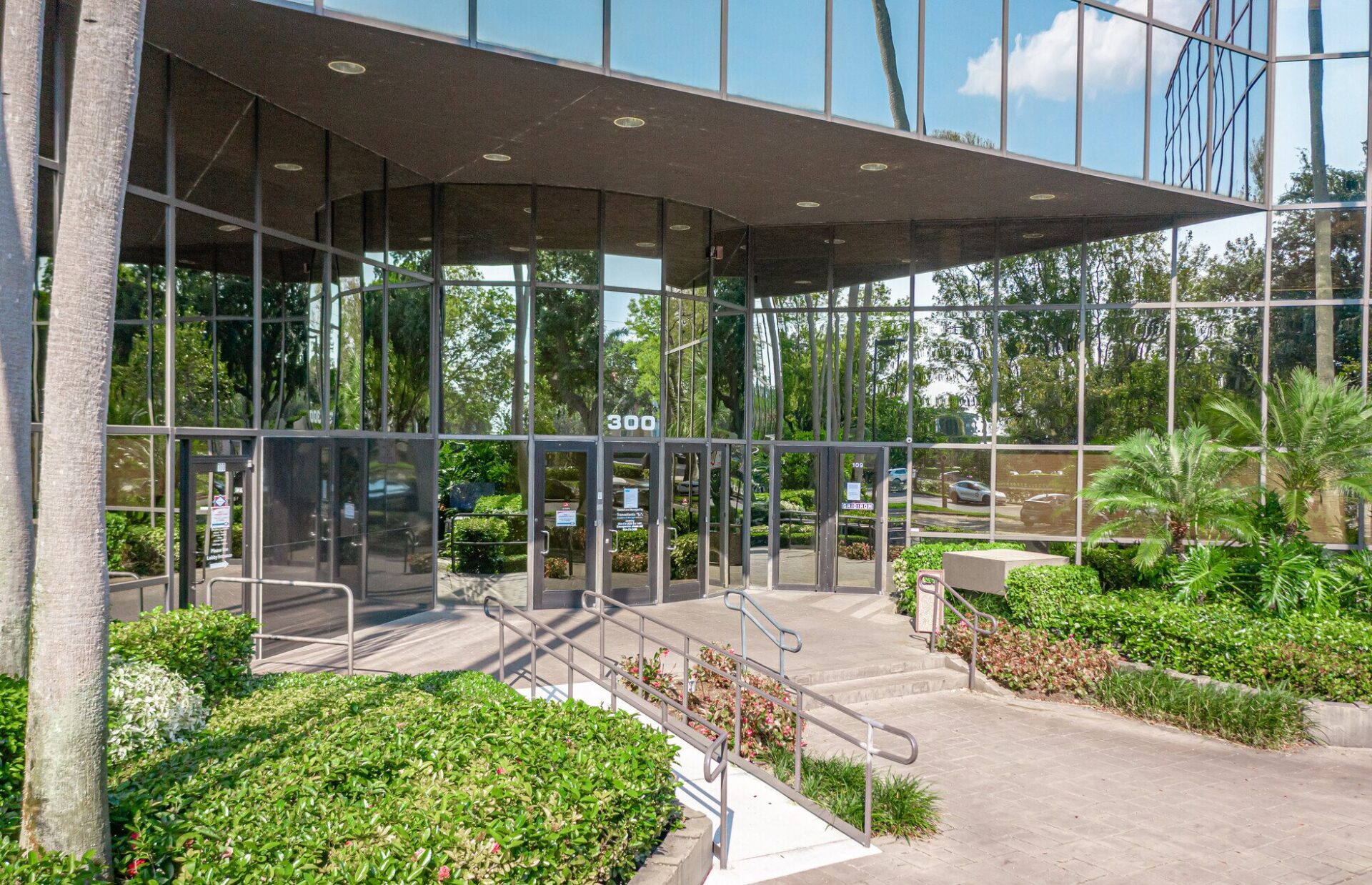
 We've moved! Starting Monday, November 2, visit us at our new office —
300 S. Pine Island Road, Suite 315, Plantation, FL 33324.
Call 754-812-8444
We've moved! Starting Monday, November 2, visit us at our new office —
300 S. Pine Island Road, Suite 315, Plantation, FL 33324.
Call 754-812-8444
We've moved! Starting Monday, November 2, visit us at our new office —
300 S. Pine Island Road, Suite 315, Plantation, FL 33324.
Call 754-812-8444
We've moved! Starting Monday, November 2, visit us at our new office —
300 S. Pine Island Road, Suite 315, Plantation, FL 33324.
Call 754-812-8444
About one in five Florida drivers has no auto insurance at all. The Insurance Research Council put the state’s uninsured rate at 20.6 percent for 2023, the seventh highest in the country, against a national average of 15.4 percent. Many of the drivers who are insured carry only the $10,000 personal injury protection and $10,000 property damage liability that Florida requires to register a car. Bodily injury liability coverage, the insurance that would pay for the people they hurt, is optional, and the 2026 bills that would have made it mandatory died in committee on March 13, 2026.
That is why, after a serious crash in South Florida, the most important insurance policy is usually your own. Uninsured motorist (UM) and underinsured motorist (UIM) coverage pays what the at-fault driver should have paid: medical bills beyond PIP, lost income, and, when the injury is permanent, pain and suffering. It also puts you in an unusual position. The insurance company you have paid for years now stands in the shoes of the driver who hit you, and it will evaluate your claim the way his insurer would have.
The Injury Advocates is a Plantation-based personal injury law firm serving Fort Lauderdale, Broward County, and South Florida. Uninsured and underinsured drivers come up in many of the motor vehicle cases we handle, and when they do, we pursue the UM or UIM claim as part of the case: coverage questions over stacking and rejection forms, hit-and-run claims, underinsured claims, and claims where the carrier will not pay what the policy promises, with attorney Kweku Darfoor involved from the first call through settlement or trial.
From the Attorney’s Desk
“The first thing I check when a client is hit by an uninsured driver is the driver: I run an asset check to see whether there is anything collectible, and most of the time the answer is no. At the same time I pull my client’s own policy to see whether it carries uninsured/underinsured motorist coverage. From there, we know what direction the case can take.”
Answer five quick questions and the tool below lays out the policies that may pay after your crash, in rough order, with the Florida rule behind each one. It runs in your browser and saves nothing. Open the full tool page →
Answer five quick questions. The tool runs in your browser and does not save or send your answers. It explains Florida’s general rules; the actual policies decide.
General information about Florida law from The Injury Advocates, a Plantation-based personal injury law firm serving Fort Lauderdale, Broward County, and South Florida. It is not legal advice about your situation, and the terms of the actual policies control. Last reviewed October 2026.
UM coverage pays the damages you are legally entitled to recover from the owner or operator of an uninsured motor vehicle, up to your UM limits. Under section 627.727 of the Florida Statutes, “uninsured” includes three situations most people would not expect:
The damages UM pays mirror a negligence claim: past and future medical expenses not covered by PIP, lost wages and lost earning capacity, the cost of future care, and non-economic damages such as pain, suffering, and loss of enjoyment of life when the injury meets Florida’s permanency threshold. UM also pays wrongful death damages to the family of someone killed by an uninsured driver. What it does not pay is vehicle damage; that comes from collision coverage or, rarely, uninsured motorist property damage coverage.
Who is covered follows the policy, not the car. Florida courts divide insureds into two classes. Class I insureds, the named insured and relatives who live in the household, are covered wherever they are injured: driving, riding in someone else’s car, in an Uber or Lyft, on a bicycle, or walking across Broward Boulevard. Class II insureds, everyone else, are covered only while occupying the insured vehicle. (Mullis v. State Farm, Fla. 1971.) When we take a UM case, the first question is not what the other driver carried. It is how many policies in your household might respond.
Many people do not know whether they bought UM, and the answer is often better than they fear.
From the Attorney’s Desk
“Insurers have to offer UM coverage, and if the client turned it down there has to be a UM rejection form on file. In my experience it is usually there, but maybe 20 to 25 percent of the time it is missing, it is the wrong form, or it is outdated because the policy changed in a way that required a new rejection. So I always check it, to confirm whether there truly is no coverage and, when there is, to make sure it is included in the claim.”
Florida UM coverage is stacked unless you signed a separate form accepting non-stacked coverage in exchange for a premium discount of at least 20 percent. Stacking means the per-person limit multiplies by the number of vehicles on the policy: $100,000 of stacked UM on three cars is $300,000 of coverage for a Class I insured, in any of those cars, in someone else’s car, or on foot. Class I insureds can also combine stacked coverage across separate policies in the same household.
Non-stacked coverage pays only once. If you are hurt in your own insured car, you get that car’s UM limit. If you are hurt in a car you do not own, or as a pedestrian, the policy still applies, generally as excess over the other vehicle’s coverage. The savings on the premium are small; the difference after a catastrophic injury can be hundreds of thousands of dollars. We read the policy, the form, and the premium history before accepting an adjuster’s word on which one you have. Stacked vs. non-stacked, explained →
If the driver who hit you fled, or ran you off the road without touching your car, your UM coverage responds as if that driver were uninsured. Florida does not allow an insurer to require physical contact: in Brown v. Progressive Mutual Insurance Co. (Fla. 1971), the Florida Supreme Court held that a person who can prove the accident happened is entitled to recover regardless of whether the vehicles touched.
Proof is the whole case. Call 911 from the scene, get the crash report number, write down every witness, save dashcam and nearby surveillance video before it is overwritten, photograph the debris and the damage, and report the crash to your own insurer promptly; UM policies require notice of a hit-and-run within a short period. The more quickly we are involved, the more of that evidence survives. Hit-and-run UM claims →
A UM claim is a claim against your own insurer, governed by your policy and by section 627.727. These are the steps that decide most of them.
From the Attorney’s Desk
“If it is your own insurance company, you have a contract with them and very likely a duty to cooperate with their investigation, so you generally do have to give the recorded statement. The at-fault driver’s insurer is different. You do not have to give them a recorded statement at all. When they ask, it is because they want to hear your version and pin you into a corner, and anything you say can be used against you later. My advice is always the same: do not give a recorded statement to the adverse adjuster.”
An insurer handling a UM claim owes you a duty to investigate fairly and to settle when a reasonable insurer would. When it instead delays, lowballs, demands records it already has, or ignores a documented demand, Florida law provides a remedy, but the path is narrow and the 2023 tort reform law (HB 837) narrowed it further.
A bad-faith claim begins with a civil remedy notice filed with the Florida Department of Financial Services and served on the insurer, which then has 60 days to pay the claim or correct the violation. An insurer that tenders the lesser of the policy limits or the amount demanded within 90 days of receiving actual notice of a claim supported by sufficient evidence cannot be sued for bad faith on that claim. Mere negligence by the adjuster is not bad faith. And the claimant now has a statutory duty of good faith in providing information, making demands, and setting deadlines; a jury may reduce damages if that duty was breached.
Those rules reward disciplined claim handling. Our demands are complete on the day they are sent, supported by the medical and wage evidence the carrier needs to evaluate the claim, and tracked against every statutory deadline. If the carrier still refuses, section 627.727(10) allows recovery of the total damages, including the amount above the policy limits, in a bad-faith action. Is my insurer acting in bad faith? →
UM claims are won on coverage work and documentation that starts in the first weeks. The Injury Advocates handles them from the first call through settlement or trial against your own insurer, with attorney Kweku Darfoor personally involved in every case. The consultation is free, and there is no fee unless we win.
Why UM Clients Choose The Injury Advocates
EXCELLENT Based on 70 reviews
 Posted on Google
 Chez MayahGreat service. They keep you informed through the entire process. Really felt that Attorney was advocating for his client. Would definitely recommend based experience dealing with the firm.Posted on Google
 s knightI had a great experience with Darfoor Law Firm! Darfoor & Staff was professional, caring, and truly had my best interest at heart. They kept me informed throughout the process and made sure I understood everything. I felt supported every step of the way. I’m very grateful for the outcome and highly recommend them to anyone in need of legal help!Posted on Google
 ChrisGreat lawfirm made things very easy and their really easy to communicate withPosted on Google
 Hans BernardNot only that he is top in legal advice, he is extremely friendly to talk to, very responsive, and the fee that was charged for the case was very reasonable.
No. Florida requires only $10,000 of personal injury protection (PIP) and $10,000 of property damage liability to register a car. Bodily injury liability is optional for most drivers, and so is UM. Insurers must offer UM in an amount equal to your bodily injury limits, and you can only turn it down or reduce it by signing a state-approved rejection form.
Usually, yes. Under Florida law, the named insured and relatives who live in the household are covered by the policy’s UM coverage wherever they are hurt by an uninsured or underinsured driver: in their own car, in a friend’s car, in a rideshare, on a bicycle, or on foot. Other people are generally covered only while riding in the insured vehicle.
Yes. A hit-and-run driver is treated as uninsured. The Florida Supreme Court has held that an insurer cannot require physical contact between the vehicles; you must prove that the accident happened and that the other driver caused it, which is why a prompt police report, witnesses, and video matter so much.
Generally, no. Florida’s insurance code prohibits an insurer from raising your premium or dropping your policy solely because of an accident unless it determines in good faith that you were substantially at fault — a UM claim after a crash caused by someone else should not be used against you.
Two clocks run at once. The negligence claim against the at-fault driver generally must be filed within two years of the crash. The UM claim is a claim on a written contract with a five-year limitation period that the Florida Supreme Court has said generally starts on the date of the accident, though it can be paused in some underinsured cases while the liability claim is resolved. Evidence and witnesses do not wait five years; neither should you.
Yes, as long as you were not more than 50 percent at fault. Florida uses modified comparative negligence: your recovery is reduced by your share of fault, and a person found more than half responsible recovers nothing. Your own insurer will argue fault against you exactly as the other driver’s insurer would.
PIP does not apply to motorcycles, so UM is often the only coverage a rider has for medical bills and lost income. Check whether the motorcycle policy itself carries UM. A car policy’s UM coverage frequently excludes injuries on a motorcycle you own that is insured elsewhere, so we review every policy in the household before anyone assumes there is no coverage.