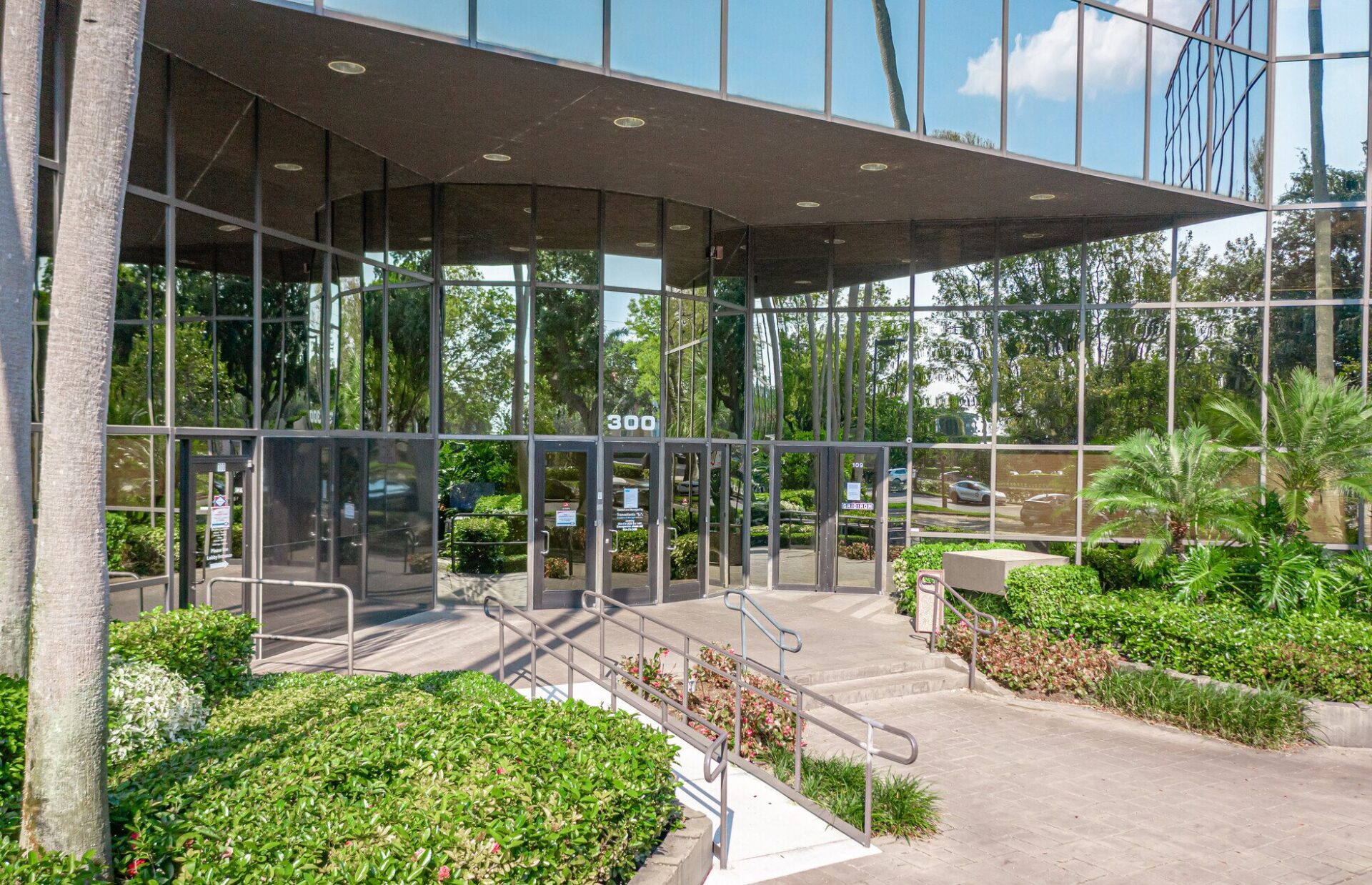
 We've moved! Starting Monday, November 2, visit us at our new office —
300 S. Pine Island Road, Suite 315, Plantation, FL 33324.
Call 754-812-8444
We've moved! Starting Monday, November 2, visit us at our new office —
300 S. Pine Island Road, Suite 315, Plantation, FL 33324.
Call 754-812-8444
We've moved! Starting Monday, November 2, visit us at our new office —
300 S. Pine Island Road, Suite 315, Plantation, FL 33324.
Call 754-812-8444
We've moved! Starting Monday, November 2, visit us at our new office —
300 S. Pine Island Road, Suite 315, Plantation, FL 33324.
Call 754-812-8444
After a crash in Florida, the first question is rarely “who was at fault.” It is “whose insurance pays,” and the answer is layered: your own no-fault coverage, the at-fault driver’s liability coverage if they bought any, the owner of the car they were driving, an employer or rideshare company, and the uninsured/underinsured motorist coverage on your own or a household policy. Most people have more coverage available than they realize, and most adjusters will not volunteer it.
Answer five questions below and the tool lays out the sources of recovery that may apply to your situation, in rough order of priority, with the Florida rule behind each one. It was built and legally reviewed by The Injury Advocates, a Plantation-based personal injury law firm serving Fort Lauderdale, Broward County, and South Florida, and by attorney Kweku Darfoor. It runs in your browser and does not save or send your answers.
Answer five quick questions. The tool runs in your browser and does not save or send your answers. It explains Florida’s general rules; the actual policies decide.
General information about Florida law from The Injury Advocates, a Plantation-based personal injury law firm serving Fort Lauderdale, Broward County, and South Florida. It is not legal advice about your situation, and the terms of the actual policies control. Last reviewed October 2026.
The layers are not interchangeable. PIP pays first and is exhausted first; the at-fault driver’s liability coverage pays next; UM/UIM coverage generally pays over and above the liability coverage, not alongside it. Settling with the at-fault driver’s insurer without your UM carrier’s written consent can forfeit the UM claim, and signing a release for a small policy before the other sources are identified can cut off the larger ones. Health insurers, Medicare, Medicaid, and hospitals assert liens against the recovery that have to be negotiated at the end. The order in which claims are made, and the paperwork signed along the way, can change the result by more than the fault dispute does.
The crash report lists the insurance card the officer was shown, nothing more. It does not say whether the policy had lapsed, whether it includes bodily injury coverage or only PIP and property damage, what the limits are, whether the driver owned the car, or whether the driver was working. Florida law gives an injured person the right to a sworn statement of coverage from the at-fault driver’s insurer within 30 days of a written request, including the limits and any coverage defense. We send that request in every case on the first day, along with requests for the vehicle’s ownership records and, where it may matter, the driver’s employment or rideshare status. Your own declarations page and any UM rejection form complete the picture. I don’t remember rejecting UM →
Coverage work is where many cases are won or lost: a household policy no one thought to check, an invalid rejection form, a commercial policy behind a personal one. We do it in the first days of every case.
Call 833-DARFOOR or (754) 812-8444, or text (754) 289-3211. Phones are answered 24/7, the consultation is free, and there is no fee unless we win.
No. It means the other driver has no coverage for the injuries they caused, which is the normal situation in Florida, where bodily injury liability coverage is optional. Your own PIP pays the first layer, and uninsured motorist coverage on your own or a household policy pays what the at-fault driver should have paid. If the driver was working, borrowed the car, or was driving for a rideshare company, other policies come into play as well. The driver who hit me has no insurance →
Yes. As a named insured or a relative living in the policyholder’s household, you are a Class I insured, and UM coverage follows you wherever you are hurt by an uninsured or underinsured driver: in your car, in a friend’s car, in a rideshare, on a bicycle, or walking. The UM coverage on the car you were riding in may apply as well.
Florida UM coverage is stacked unless you signed a separate form accepting non-stacked coverage for a discount. Stacking multiplies the per-person limit by the number of vehicles on the policy, so $100,000 of stacked coverage on three cars is $300,000 of protection, and Class I insureds can combine stacked coverage across household policies. One word on the declarations page can double or triple a recovery. Stacked vs. non-stacked UM →
Florida’s insurance code prohibits an insurer from raising your premium or dropping your policy solely because of a crash unless it determines in good faith that you were substantially at fault. Using the coverage you paid for after a crash caused by someone else should not be held against you.
Because the answer depends on documents that have not been obtained yet: the other driver’s policy and its limits, which the insurer must disclose under oath within 30 days of a written request; the vehicle’s ownership; the driver’s employment or rideshare status; and your own declarations page and any UM rejection form. Finding and reading those documents is the first thing we do in every case, and it usually takes a day or two.
No. It explains Florida’s general rules for the situation you describe so you know what questions to ask. Coverage is determined by the actual policies and the facts of the crash, and a free consultation is the way to get an answer about your case.