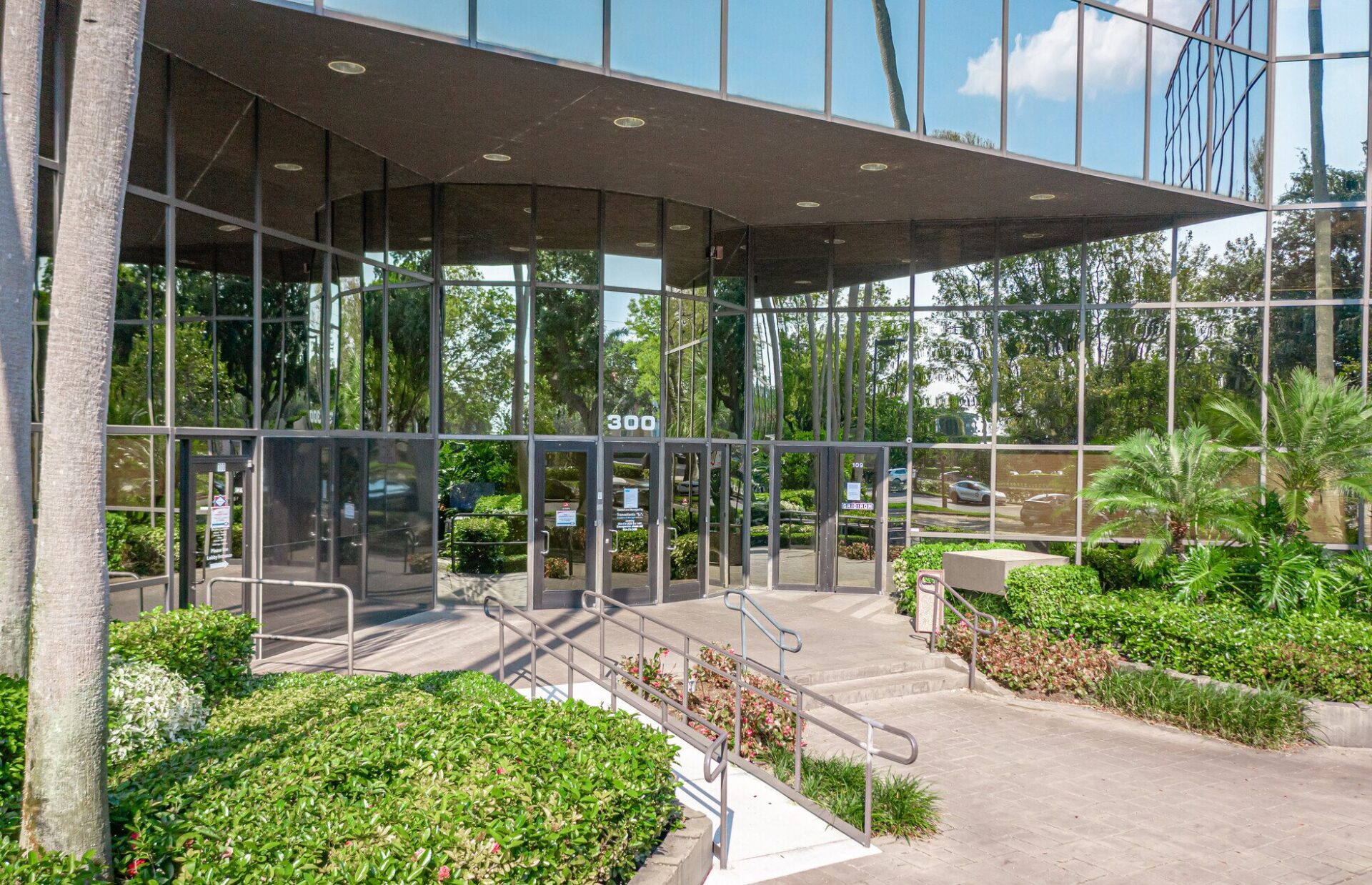
 We've moved! Starting Monday, November 2, visit us at our new office —
300 S. Pine Island Road, Suite 315, Plantation, FL 33324.
Call 754-812-8444
We've moved! Starting Monday, November 2, visit us at our new office —
300 S. Pine Island Road, Suite 315, Plantation, FL 33324.
Call 754-812-8444
We've moved! Starting Monday, November 2, visit us at our new office —
300 S. Pine Island Road, Suite 315, Plantation, FL 33324.
Call 754-812-8444
We've moved! Starting Monday, November 2, visit us at our new office —
300 S. Pine Island Road, Suite 315, Plantation, FL 33324.
Call 754-812-8444
Short answer
Your own insurance is usually the answer. In Florida, PIP on your policy pays the first $10,000 of medical bills and lost wages no matter who was at fault, and uninsured motorist (UM) coverage on your policy, or on a policy belonging to a relative you live with, pays the rest of what the at-fault driver should have paid. An uninsured driver can be sued directly, but that is rarely a practical source of recovery. The first job is to find every policy that might respond before anyone gives a statement or signs anything.
Answered by Kweku Darfoor, Esq., founder of The Injury Advocates, a Plantation-based personal injury law firm serving Fort Lauderdale, Broward County, and South Florida. General information, not legal advice about your situation.
Florida requires only $10,000 of personal injury protection and $10,000 of property damage liability to register a vehicle. Bodily injury liability, the coverage that pays for the people a driver hurts, is optional for most drivers, and roughly one in five Florida drivers carries no insurance at all (20.6 percent in 2023, according to the Insurance Research Council). Bills to require bodily injury coverage have failed in the Legislature year after year; the 2026 versions died in committee on March 13, 2026.
So the scenario is common: a serious injury, a crash report showing the other driver’s insurance as “none” or a policy with minimal limits, and an adjuster who tells you there is nothing to recover. That is often wrong.
From the Attorney’s Desk
“The first thing I check when a client is hit by an uninsured driver is the driver: I run an asset check to see whether there is anything collectible, and most of the time the answer is no. At the same time I pull my client’s own policy to see whether it carries uninsured/underinsured motorist coverage. From there, we know what direction the case can take.”
A crash report lists what the officer was shown at the scene. It does not tell you whether the driver’s policy had lapsed, whether the car was owned by someone else with coverage, whether the driver was on the job, or whether the policy exists but excludes this driver. Florida law lets an injured person demand a sworn disclosure of coverage from the at-fault driver’s insurer within 30 days; we send that demand in every case and read the answer closely.
The same is true of your own coverage. Many people were sold UM without noticing it, and many who believe they rejected it never signed the state-approved form that makes a rejection valid. I don’t remember rejecting UM →
Related: Florida uninsured motorist lawyer · the at-fault driver only has a $10,000 policy · car accident cases
Call 833-DARFOOR or (754) 812-8444, or text (754) 289-3211. Phones are answered 24/7, the consultation is free, and there is no fee unless we win.
You can, but it is rarely practical. A judgment is only worth what the driver can pay, and most uninsured drivers have little to collect against, which is why the claim under your own UM coverage is usually the one that produces a recovery. We consider a direct claim only when the facts suggest it is worth pursuing.
Then other policies may apply: the employer’s commercial policy if the driver was on the job, the owner’s policy under Florida’s dangerous instrumentality doctrine if the car was borrowed, or a rideshare company’s policy if the driver was logged in to Uber or Lyft. We identify every one of them before the claim is valued.
Yes. PIP is no-fault coverage on your own policy and pays regardless of who caused the crash or whether the other driver was insured, as long as you were treated within 14 days.