Short answer
It can be, but only if the right steps are taken. A UM carrier owes you a duty to investigate fairly and to settle when a reasonable insurer would. Florida’s bad-faith statute (section 624.155) requires a civil remedy notice filed with the Department of Financial Services and a 60-day period for the insurer to pay; since the 2023 tort-reform law, a carrier that tenders the policy limits or the amount demanded within 90 days of a claim supported by sufficient evidence is immune, mere negligence is not bad faith, and you have your own duty of good faith. Done correctly, a bad-faith claim can recover your full damages, even above the policy limits, plus fees and interest.
Answered by Kweku Darfoor, Esq., founder of The Injury Advocates, a Plantation-based personal injury law firm serving Fort Lauderdale, Broward County, and South Florida. General information, not legal advice about your situation.
What a UM Carrier Owes You
In a UM claim your insurer plays two roles. It is the defendant, entitled to contest fault and damages the way the uninsured driver would. It is also your insurer, bound by Florida’s Insurance Code to acknowledge and act promptly on communications, to investigate and settle claims in good faith, and to not deny claims without a reasonable investigation. Section 624.155 gives an insured a civil remedy when a carrier does not attempt in good faith to settle a claim when, under all the circumstances, it could and should have done so had it acted fairly and honestly toward its insured and with due regard for the insured’s interests.
The Steps the Statute Requires
- A documented claim. The carrier must have actual notice of the claim with sufficient evidence to evaluate it: medical records, bills, wage documentation, and the basis for permanency.
- The 90-day safe harbor. Under section 624.155(4), an insurer that tenders the lesser of the policy limits or the amount demanded within 90 days after receiving that notice cannot be sued for bad faith on the claim. The clock starts only when the evidence is sufficient, which is why our demands are complete when sent.
- The civil remedy notice. A specific notice identifying the statutory violations, filed with the Department of Financial Services and served on the insurer. The carrier then has 60 days to pay the damages or correct the violation; if it does, no bad-faith action lies.
- Determination of the underlying claim. In most UM cases, liability and the amount of damages must be established, by settlement, verdict, or arbitration, before the bad-faith case proceeds.
- The bad-faith action. If the carrier failed to settle when it should have, section 627.727(10) allows recovery of the total damages, including the amount above the policy limits, plus interest, attorney’s fees, and costs.
What HB 837 Changed in 2023
The 2023 tort-reform law rewrote the ground rules. Besides the 90-day safe harbor, the statute now states that mere negligence alone is insufficient to constitute bad faith; that the insured, the claimant, and their representatives have a duty to act in good faith in furnishing information, making demands, setting deadlines, and attempting to settle; and that a jury may reduce bad-faith damages if that duty was breached. The practical result is that bad-faith cases are built with discipline from the first letter: clear demands, reasonable deadlines, complete documentation, and a record that shows the carrier had everything it needed and did nothing.
Signs the Carrier Is Heading Toward Bad Faith
- Months of silence after a complete demand, or repeated requests for records already provided.
- An offer that ignores undisputed medical bills or a treating physician’s permanency opinion.
- A fault argument the carrier’s own investigation does not support.
- Refusal to tender limits when the damages plainly exceed them.
- Conditioning payment on a release that is broader than the claim.
None of these is bad faith by itself. Each is a reason to document the file, serve the civil remedy notice when the facts support it, and prepare the UM case for trial, because the verdict in the UM case is what sets the damages in the bad-faith case.
Related: Florida uninsured motorist lawyer · underinsured claims · insurance claims
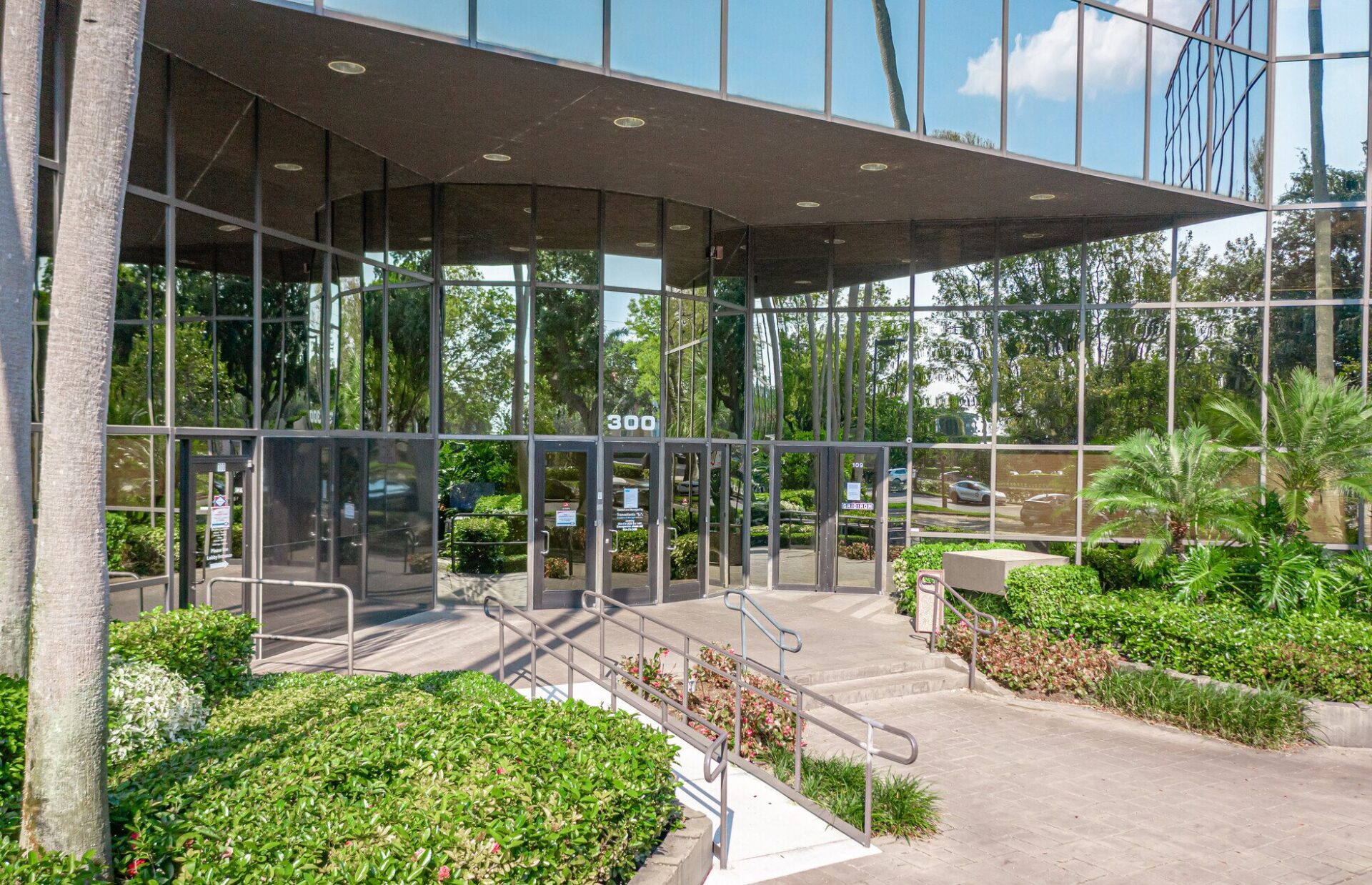 We've moved! Starting Monday, November 2, visit us at our new office —
300 S. Pine Island Road, Suite 315, Plantation, FL 33324.
Call 754-812-8444
We've moved! Starting Monday, November 2, visit us at our new office —
300 S. Pine Island Road, Suite 315, Plantation, FL 33324.
Call 754-812-8444