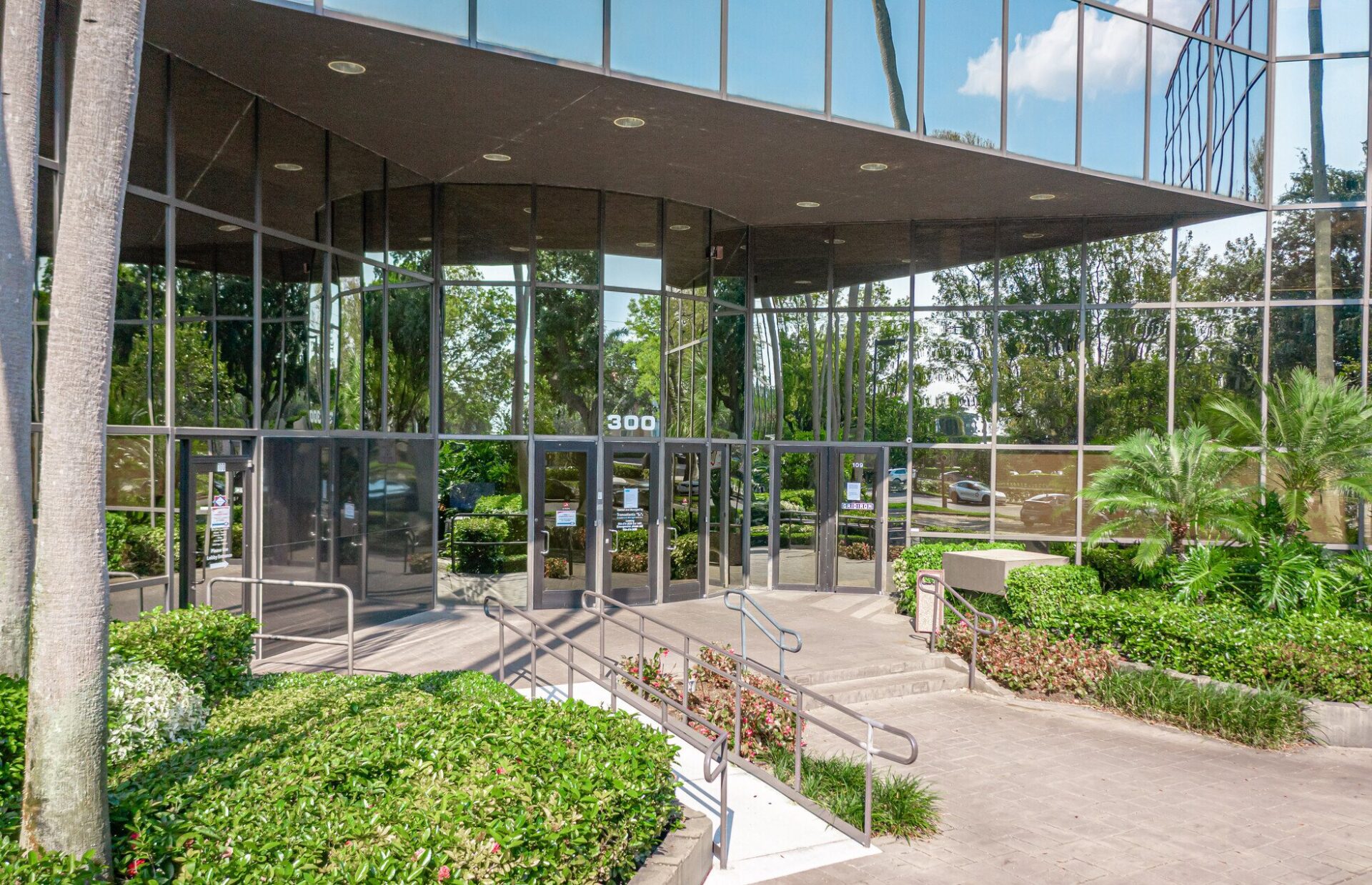




Falling in public is embarrassing. Most people’s first instinct after slipping in a grocery store, a hotel lobby or a restaurant is to get up, wave off the staff and leave before anyone stares. That reaction is exactly what the business is counting on. Under Florida law, a slip and fall claim is won or lost in the first hour, and the person who “brushes it off” usually loses before a lawyer ever hears about it.
Why Florida slip and fall cases are hard
Florida has one of the toughest slip and fall statutes in the country. Under section 768.0755, if you slip on a transitory foreign substance in a business, you must prove the business actually or constructively knew about it. Constructive knowledge means showing the hazard was there long enough that a careful business should have found it, or that it happened so regularly it was foreseeable. The spill does not speak for itself; the evidence does. That is why what you do before you leave matters more than almost anything that happens later.
The two things to do before you leave
- Report it to the manager and get an incident report. Not the cashier, not the greeter. Ask for the manager on duty and insist on a written report. Get the manager’s name and ask for a copy or a photo of what you signed. Do not write “I’m fine” or guess at the cause; describe only what you saw.
- Photograph the hazard and the surroundings. The puddle, the torn mat, the uneven tile, the missing wet-floor sign, the lighting. Then photograph it wider: where the nearest employee was, whether a cleaning cart was in sight, how far the spill had spread. Dried edges and footprints through a spill are evidence of how long it was there. The moment you walk out, it gets mopped and your evidence is gone.
If you can, add two more: get the names and numbers of anyone who saw you fall, and note the time. Surveillance video is typically overwritten within days or weeks, and your lawyer will send a preservation letter immediately.
“I’m just clumsy” is not the law
Businesses owe their customers a duty to keep the premises reasonably safe and to warn of dangers they know about. Hotels and resorts owe the same to guests, including around pool decks, broken pool ladders and wet lobby floors. Apartment landlords owe it in common areas. A fall caused by a hazard that should have been fixed or flagged is not your clumsiness. It may be partly your fault, and Florida’s modified comparative negligence rule will reduce your recovery by your share, with no recovery at all if you are found more than 50 percent responsible. That is a reason to document, not a reason to walk away.
Common hazards we see
- Spills and tracked-in rainwater, especially at entrances during South Florida’s afternoon storms
- Freshly mopped floors with no signage
- Torn or curled mats and rugs
- Uneven pavers, broken tile and unmarked steps
- Pool decks and resort walkways without slip-resistant surfaces
- Poor lighting in parking garages and stairwells
- Produce and packaging on grocery store floors
Why “minor” falls deserve a doctor
Adrenaline hides injuries. Falls commonly cause wrist and hip fractures, torn rotator cuffs and meniscus injuries, herniated discs and concussions, and several of those show up days later. See a doctor the same day if you can, and follow up if symptoms appear. A medical record created within a day of the fall connects the injury to the fall; a record created three weeks later invites the argument that something else happened in between.
What a slip and fall claim can recover
Medical bills, lost wages, future care, and pain and suffering. Florida does not impose a permanent-injury threshold on premises cases the way it does on car accidents, but the value of the claim still depends on the medical evidence and on how clearly fault is documented.
The deadline
For falls occurring after March 24, 2023, you generally have two years to file a lawsuit in Florida. Falls on government property, such as a county building or a city sidewalk, require written notice first. Do not let the two years lull you; the evidence that wins these cases disappears in days.
Do not leave quietly
Report it, photograph it, see a doctor, and call us before you talk to the store’s insurer. Call The Injury Advocates at (754) 812-8444 or 833-DARFOOR, or send us a message. The consultation is free, and you owe no fees or costs unless we recover for you. Learn more about our slip and fall practice and how our personal injury lawyers handle premises liability claims.
Kweku Darfoor is the founder of The Injury Advocates (Darfoor Law Firm, P.A.), a member of The Florida Bar since 2014, and a Plantation-based personal injury attorney representing seriously injured people and their families across Fort Lauderdale, Broward County, and South Florida. This content is for general information and is not legal advice.