


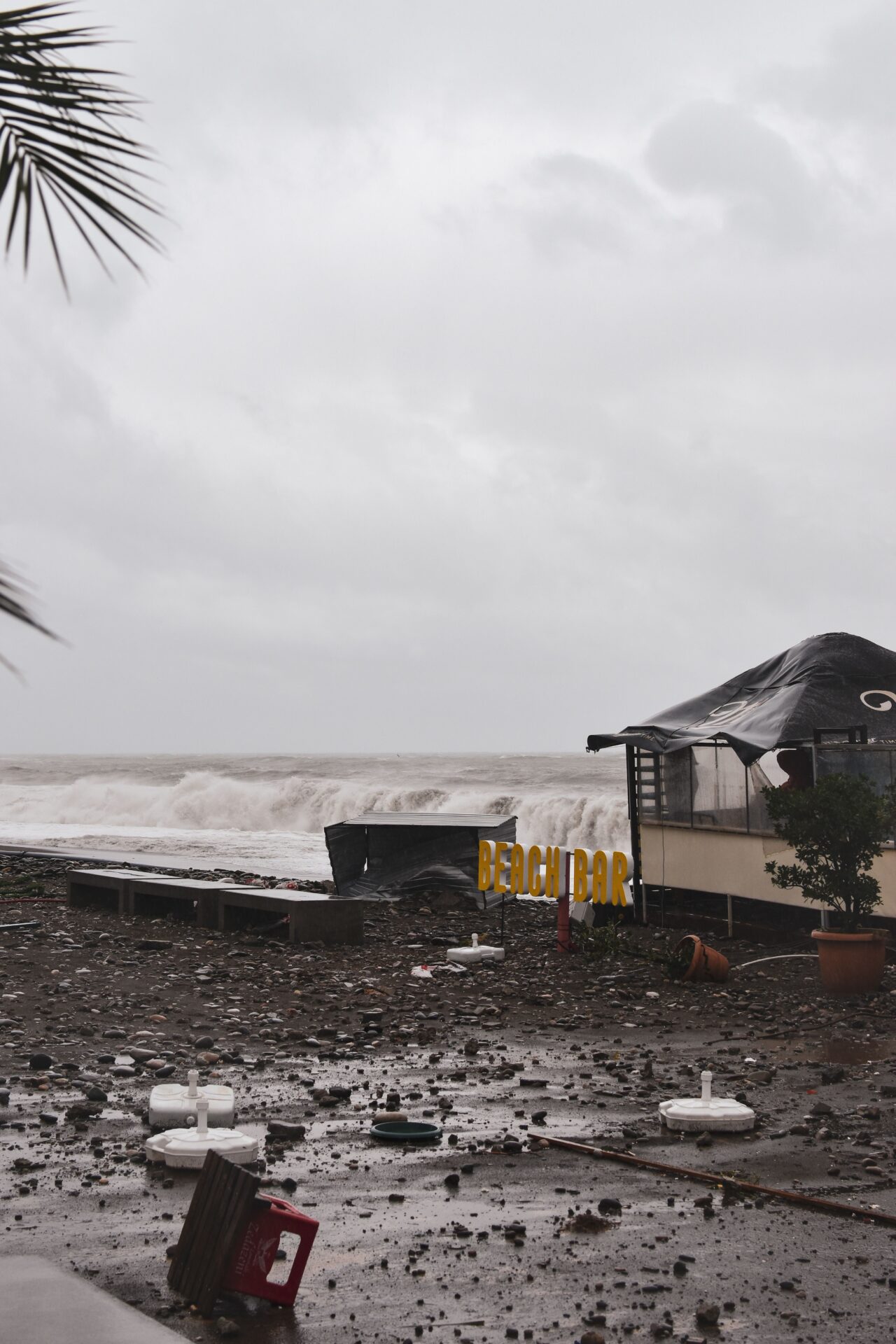
Hurricane season runs from June through November, and for Florida residents, that means months of watching the forecast, prepping supplies, and sometimes evacuating. It also means a higher risk of certain kinds of injuries, from storm prep accidents to crashes during evacuation traffic to injuries caused by property damage after the storm passes.
Storm prep injuries are more common than people realize. Falls from ladders while boarding up windows, injuries from flying debris, and accidents while operating generators or chainsaws all tend to spike before and after a storm. If someone else’s negligence contributed to your injury, like a landlord who failed to secure loose materials on a property, that may still be a valid claim even though a hurricane was involved.
Evacuation traffic brings its own risks. Highways fill up fast, tempers run short, and drivers sometimes take risks they normally wouldn’t to beat the storm or get off the road before conditions worsen. Rear-end collisions and multi-car pileups become more common in these conditions, especially on interstates during a mandatory evacuation.
After a storm, downed power lines, flooded roads, and debris-covered streets create hazards that can lead to injuries days or even weeks later. Slip and falls on wet or debris-covered surfaces, injuries from unstable structures, and accidents caused by malfunctioning traffic signals after a power outage are all situations where liability can still apply.
One thing to keep in mind is that hurricanes don’t automatically excuse a property owner or driver from responsibility. If a business stayed open during a storm and someone was hurt due to unsafe conditions, or if a property owner ignored known hazards on their land, the storm doesn’t erase that duty of care.
Documentation becomes especially important during hurricane season. Insurance companies are often flooded with claims after a major storm, and cases can get lost in the shuffle or lumped in with unrelated property damage claims. Keeping your own photos, records, and medical documentation separate and organized helps make sure your injury claim doesn’t get buried.
If you were hurt during storm prep, an evacuation, or the aftermath of a hurricane, it’s worth talking to someone who can help you sort out what’s covered and what your options are.
Dealing with a denied, delayed, or underpaid claim? See how our insurance claim dispute lawyers can help.
Related: Learn more about our personal injury practice.
Kweku Darfoor is the founder of The Injury Advocates (Darfoor Law Firm, P.A.), a member of The Florida Bar since 2014, and a Plantation-based personal injury attorney representing seriously injured people and their families across Fort Lauderdale, Broward County, and South Florida. This content is for general information and is not legal advice.