


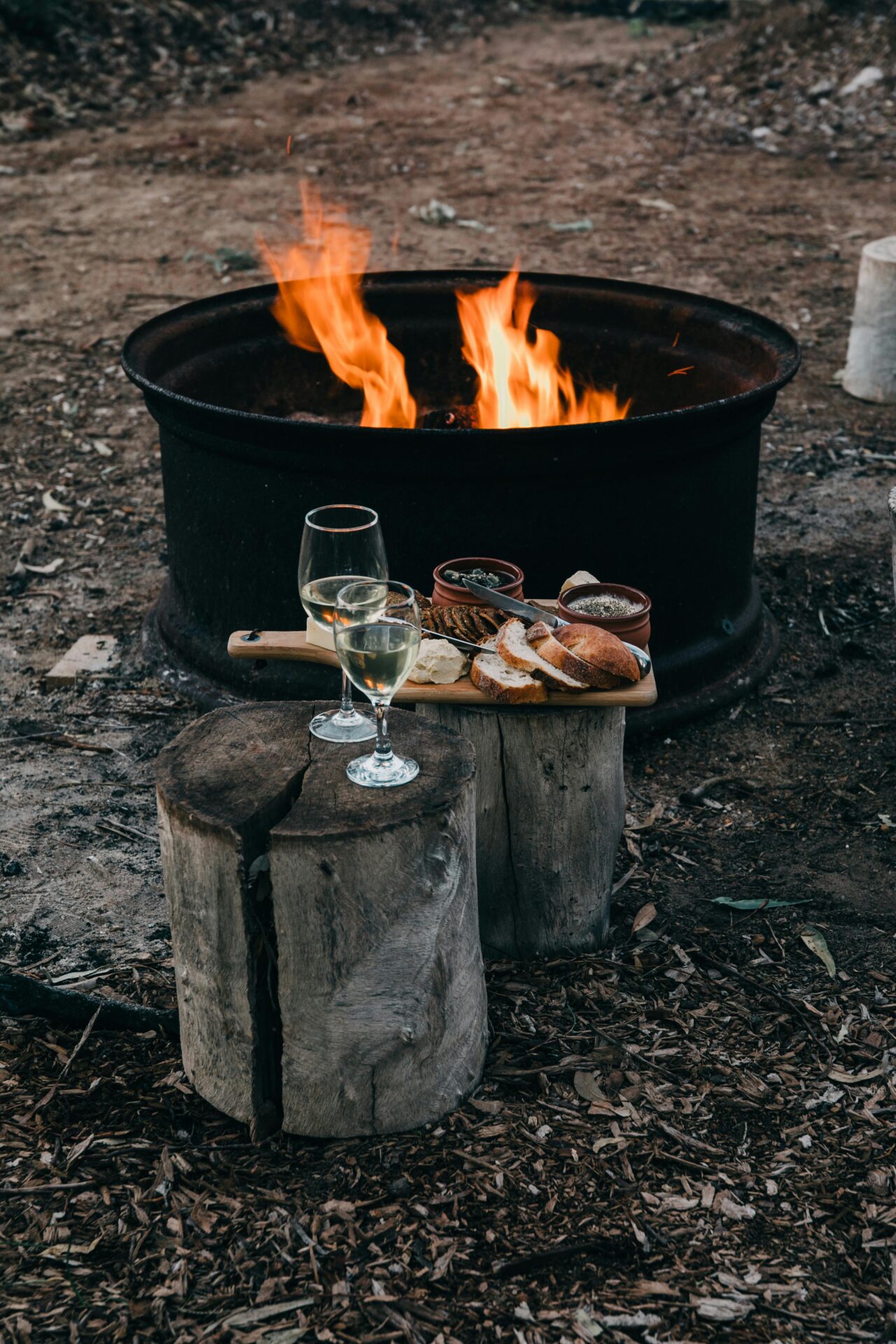
Bonfires on the beach, fire pits on the patio, backyard gatherings that run late: fire is part of how South Florida socializes from October through spring. It is also the cause of some of the most painful and permanent injuries we see. Burns require long treatment, often leave scars, and frequently happen because a host, a property owner or a manufacturer cut a corner. If you or your child was burned at a bonfire or fire pit, here is how Florida law assigns responsibility and what to do.
How bonfire and fire pit burns happen
- Gasoline, lighter fluid or other accelerants used to start or revive a fire, causing flash burns
- Fires built too close to seating, walkways, tents or structures
- No barrier or screen around an open flame
- Children allowed near the fire without supervision
- Intoxicated guests stumbling into the fire or handling it
- Improper extinguishing that leaves hot coals under sand or ash
- Defective gas or propane fire pits, leaking lines and faulty igniters
- Fires lit during burn bans or in violation of local ordinances
Who can be held responsible
Homeowners and hosts. Under Florida premises liability law, a property owner owes guests a duty to keep the property reasonably safe and to warn of dangers that are not obvious. A host who uses gasoline on a fire, lets a fire burn unattended, lets drunk guests feed it, or fails to keep children away may be liable for the injuries that follow. Homeowners insurance typically responds to these claims.
Event organizers and venues. Beach bonfires, festivals, church and school events and commercial venues owe the same duty to attendees, and often a higher one, because they are expected to plan for crowds, barriers, fire extinguishers and trained staff. Where a permit was required, the permit conditions set the standard.
Manufacturers and sellers. A fire pit that flares, a propane connection that leaks or a tabletop fire bowl that tips is a product liability case. Florida allows claims for design defects, manufacturing defects and failure to warn, without proof of negligence.
Other guests. An adult who throws accelerant on a fire or pushes someone near it can be personally liable, and the host may share responsibility for allowing it.
Children are a special case
Children are drawn to fire and do not appreciate its danger, and Florida law expects adults to account for that. Hosts who invite families must supervise the fire area or keep children away from it, and a child’s own carelessness is judged by what is reasonable for a child of that age, not an adult. Claims on behalf of minors cover current and future medical care, including reconstructive surgery as the child grows, pain and suffering, scarring, and the psychological trauma that often follows a burn. Settlements for minors generally require court approval, which protects the child’s recovery.
Proving the claim
A burn injury claim is built on four elements: a duty of care, a breach of that duty, causation and damages. The evidence that matters most:
- Photographs of the fire setup, the absence of barriers, the accelerant containers and the surrounding area, taken before anything is cleaned up
- Names and numbers of witnesses
- Any fire department or police report
- The product, packaging and manuals if a fire pit or fuel device was involved; do not throw it away
- Medical records documenting the depth and extent of the burn and the treatment plan
- Evidence of alcohol service, especially to minors
What burn injuries are worth
Burns are expensive injuries. Second- and third-degree burns can require skin grafts, multiple surgeries, months of wound care, compression therapy and years of scar revision. A Florida burn claim can recover medical expenses past and future, lost wages and earning capacity, pain and suffering, disfigurement and emotional distress. Where the conduct was reckless, such as pouring gasoline on an open flame near guests, punitive damages may be available. Florida’s modified comparative negligence rule reduces a recovery by the injured person’s share of fault, so the evidence of what the host did and did not do is central.
What to do after a burn
- Cool the burn with running water, cover it loosely, and get medical care. Do not apply ice, butter or ointments to a serious burn.
- Report the injury to the host, venue or organizer, and ask whether 911 was called.
- Photograph the scene and preserve any product involved.
- Follow every treatment recommendation. Burn care is long and gaps hurt both healing and the claim.
- Do not give a recorded statement to an insurer or accept an early settlement; scarring and the need for revision surgery take months to become clear.
- Call a lawyer. Most Florida negligence claims must be filed within two years.
We handle the legal side so you can heal
We work with burn specialists, fire safety experts and witnesses to establish exactly how the injury happened and who is responsible. Call The Injury Advocates at (754) 812-8444 or 833-DARFOOR, or send us a message. The consultation is free, and you owe no fees or costs unless we recover for you. Learn more about how our personal injury lawyers handle burn injury and premises liability cases.
Kweku Darfoor is the founder of The Injury Advocates (Darfoor Law Firm, P.A.), a member of The Florida Bar since 2014, and a Plantation-based personal injury attorney representing seriously injured people and their families across Fort Lauderdale, Broward County, and South Florida. This content is for general information and is not legal advice.