


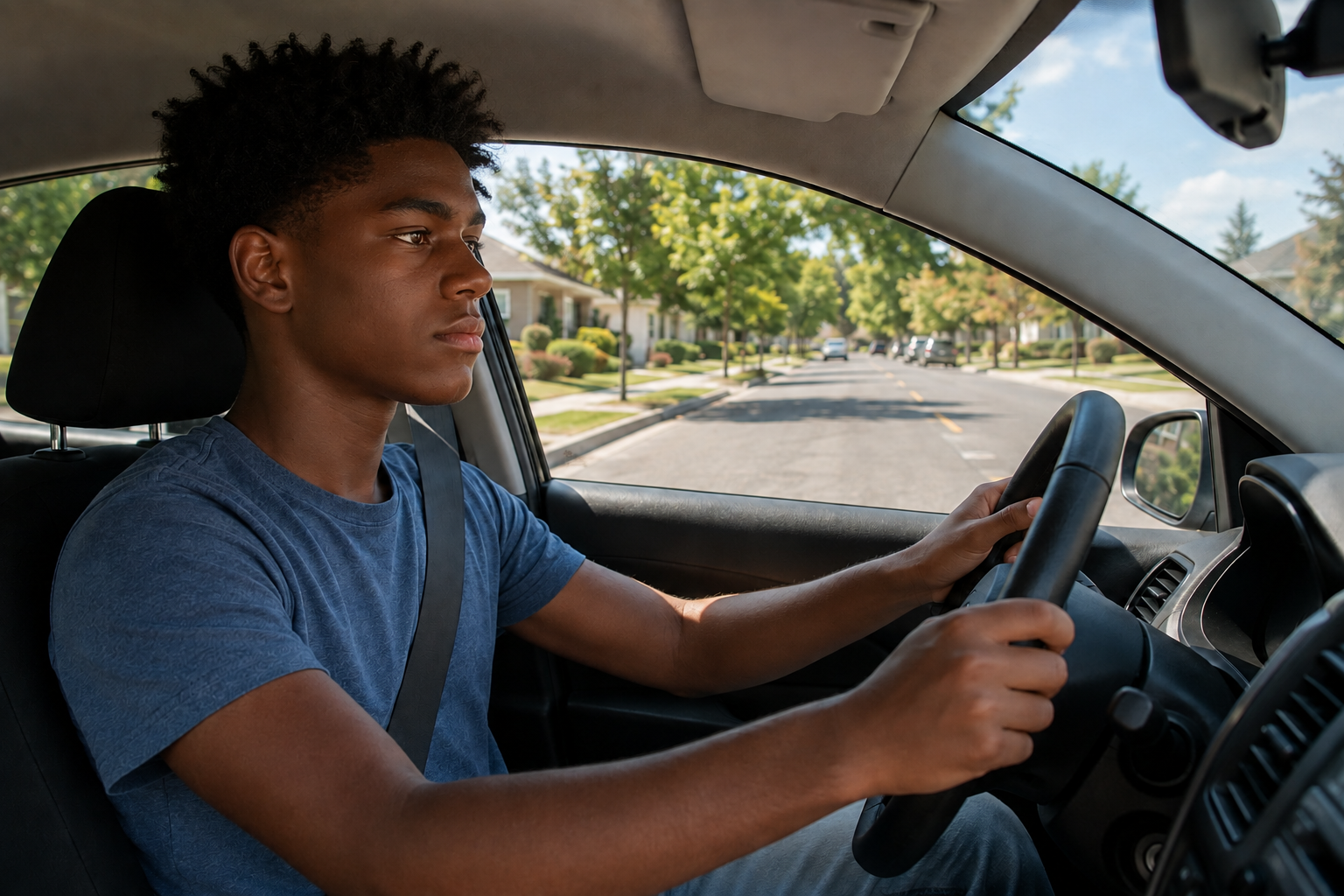
For many families, back-to-school season isn’t just about backpacks and schedules — it’s also the season when teenagers get back behind the wheel after a summer with fewer structured driving demands. Between early morning commutes, after-school jobs, sports practice, and evening activities, teen drivers log significantly more miles once school starts, and unfortunately, the crash statistics reflect it.
The Injury Advocates wants parents and teens in Florida to understand why this time of year is especially risky for young drivers — and what your family’s rights are if a crash occurs.
Why Teen Drivers Face Higher Risk
Research has long shown that drivers ages 16-19 are involved in crashes at higher rates than any other age group, and several back-to-school-specific factors make things worse:
Inexperience meets increased driving demands. A teen who spent the summer driving occasionally to the pool or a part-time job may suddenly be navigating rush-hour school traffic, unfamiliar drop-off patterns, and tighter schedules.
Distraction. Phones, group chats, music, and passengers are all proven distraction risks — and teen drivers are especially susceptible to distraction from friends in the car.
Time pressure. Rushing to avoid being late for first period is a classic recipe for speeding, rolling stops, and aggressive lane changes.
Fatigue. Early school start times combined with sports, homework, and part-time jobs can leave teen drivers running on too little sleep, which slows reaction time just as much as alcohol in some studies.
Multiple teen passengers. Crash risk rises substantially for teen drivers carrying other teen passengers, due to distraction and social pressure to drive more aggressively.
Common Causes of Teen Driver Accidents
- Speeding to avoid tardiness
- Distracted driving (texting, social media, talking with passengers)
- Failure to yield or improper turns near school zones
- Following too closely in congested school traffic
- Driving while fatigued, especially during early morning commutes
Liability When a Teen Driver Is Involved
Accidents involving teen drivers raise unique legal questions. Depending on the situation, liability may extend to:
- The teen driver, if their negligence caused the crash
- The vehicle owner (often a parent), under negligent entrustment or family car doctrine principles, particularly if the owner knew the teen was an inexperienced or high-risk driver
- A third-party driver, if another motorist’s negligence contributed to or caused the collision
- An employer, if the teen was driving for work-related purposes at the time
If your teen was injured as a passenger or in a crash caused by another driver, you may be entitled to compensation for medical expenses, pain and suffering, and long-term care needs. And if your teen caused a crash that injured someone else, understanding your insurance coverage and legal exposure early is critical.
Tips to Keep New and Young Drivers Safer
- Practice the actual school route together before the first day, including turns, merges, and tricky intersections.
- Set a phone-free policy in the car, and use apps or phone settings that limit notifications while driving.
- Limit passengers during the first months of independent driving, if your state’s graduated licensing laws allow discretion.
- Build in extra time so your teen never feels pressured to speed to avoid being late.
- Talk openly about fatigue and encourage teens to speak up if they’re too tired to drive safely.
If Your Family Has Been Affected by a Teen Driving Accident
Whether your teen was hurt as a driver or passenger, or another driver’s negligence caused a crash involving your family, the aftermath can be overwhelming — medical bills, insurance calls, and questions about fault can pile up fast.
The Injury Advocates helps families throughout Florida navigate teen driving accident claims with clarity and compassion. Contact us at 754-812-8444 for a free consultation and find out what options are available to your family.
This blog post is for informational purposes only and does not constitute legal advice. Please consult a qualified attorney regarding your specific circumstances.
Kweku Darfoor is the founder of The Injury Advocates (Darfoor Law Firm, P.A.), a member of The Florida Bar since 2014, and a Plantation-based personal injury attorney representing seriously injured people and their families across Fort Lauderdale, Broward County, and South Florida. This content is for general information and is not legal advice.