


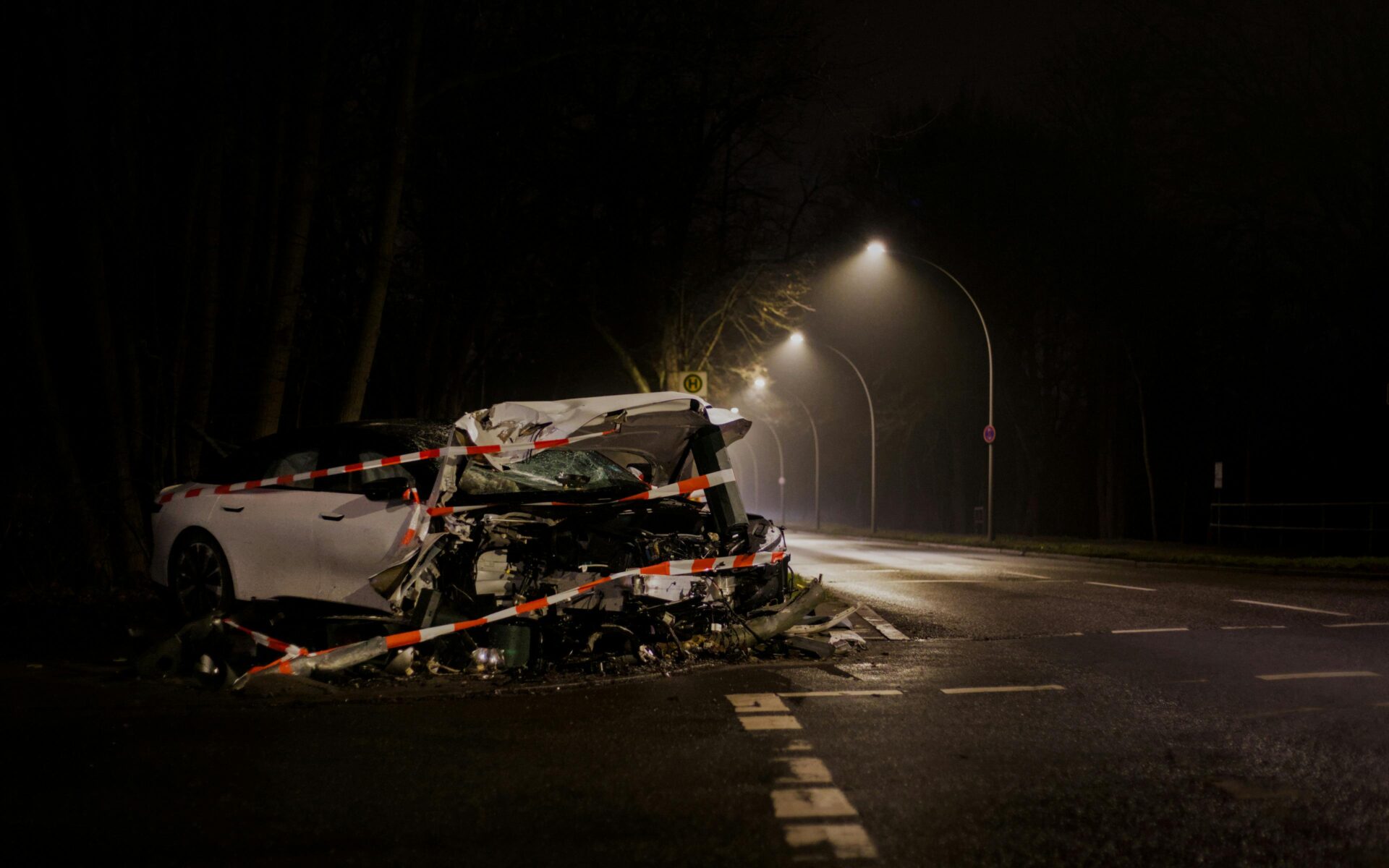
Rear-end collisions are the most common crash on Florida roads, and the stop-and-go traffic on I-95, I-595, State Road 7 and University Drive makes Broward County one of the places they happen most. Most people assume the driver in back is always at fault. Florida law starts from that assumption, but it does not end there. Here is how fault is really decided in a Florida rear-end accident, when the front driver shares the blame, and what to do in the hours and days after one.
The rear-driver presumption
Florida law presumes that the rear driver in a rear-end collision was negligent. The logic is simple: section 316.0895 requires every driver to follow at a distance that is reasonable and prudent given the speed of traffic and the conditions, and a driver who leaves enough room and pays attention can stop when the car ahead stops. If you were hit from behind, you do not have to prove what the other driver was doing wrong. The presumption does that for you.
The presumption is rebuttable. In Birge v. Charron, the Florida Supreme Court made clear that the rear driver may present evidence that the front driver was negligent, and if that evidence is enough to create a real question, the presumption drops away and the jury apportions fault between both drivers under Florida’s comparative negligence law. In practice, the rear driver’s insurer will look hard for such evidence, and the front driver’s lawyer must be ready to answer it.
When the front driver shares or carries the blame
- A sudden, unexpected stop for no reason. Braking hard in heavy traffic is expected and does not shift fault. Slamming on the brakes on an open road, or “brake checking” a tailgater, can.
- Brake lights not working. The rear driver had no warning. Photographs of the front car’s lights taken at the scene matter.
- Reversing. A driver who backs up at an intersection or in a parking lot and strikes the car behind is the at-fault party even though the damage looks like a rear-end crash.
- Cutting in without room. A driver who changes lanes directly in front of another car and then brakes has caused the collision.
- Stopped in a travel lane. A disabled car left in a lane at night without hazard lights, especially on a highway, may carry significant fault.
- Chain-reaction crashes. When three or more cars collide, the middle car is often pushed into the car ahead by the impact from behind. The driver who started the chain is responsible for the whole sequence, and sorting that out depends on the physical evidence and the order of impacts.
Why rear-end crashes happen
Following too closely and distraction account for most of them. Texting while driving is a primary offense in Florida under section 316.305, and phone records are routinely subpoenaed in rear-end cases where the rear driver claims the front car “stopped out of nowhere.” Speed, fatigue, impairment, worn brakes and the sudden downpours that turn South Florida roads slick in the afternoon do the rest.
“Minor” rear-end crashes are not minor
Insurance companies like to call rear-end collisions “low impact” and argue that a car with a scuffed bumper could not have injured anyone. The medicine says otherwise. Whiplash, cervical and lumbar disc herniations, concussions and shoulder injuries from the seat belt are all common at speeds under 15 mph, because the occupant’s body is thrown forward and back while the bumper absorbs the visible damage. Symptoms often appear a day or two later. If you have neck pain, headaches, numbness in your arms or hands, or trouble concentrating after a rear-end crash, get evaluated. Our neck and back injury page explains what those injuries involve.
Step by step after a rear-end crash
- Get safe and call 911. If the cars can move, pull out of the travel lane. Florida law requires a report when there is injury or significant damage, and the report is the foundation of your claim.
- Photograph everything. Both cars from all sides, the point of impact, the other car’s brake lights, the road, skid marks or their absence, traffic signals and the other driver’s license, tag and insurance card.
- Get witnesses. Names and phone numbers of anyone who saw the crash. Look for businesses or homes with cameras facing the road.
- Say little. Be polite, exchange information, and do not apologize or speculate about what happened. Statements at the scene turn up in claim files.
- See a doctor within 14 days. Florida’s no-fault law pays your first $10,000 of medical bills and lost wages through your own PIP coverage, but only if you get initial treatment within 14 days of the crash.
- Notify your insurer, not theirs. Report the crash to your own company as your policy requires. Do not give a recorded statement to the other driver’s insurer before speaking with a lawyer.
- Preserve evidence. Save dashcam footage, keep the damaged car until it has been photographed and inspected, and keep every bill and record.
How fault affects what you recover
PIP pays first regardless of fault. Beyond PIP, your claim for the rest of your medical bills, lost income and pain and suffering is against the rear driver’s bodily injury coverage, and to recover pain and suffering you generally must show a permanent injury within a reasonable degree of medical probability. Florida uses modified comparative negligence: if a jury finds you more than 50 percent at fault, you recover nothing, and at 50 percent or less your award is reduced by your share. That is exactly why the rear driver’s insurer works so hard to put some fault on you. You have two years from the crash to file a lawsuit.
The Injury Advocates is a Plantation-based personal injury firm serving Fort Lauderdale, Broward County and South Florida. If you were rear-ended, call (754) 812-8444 or 833-DARFOOR, or send us a message. The consultation is free and you owe no fees or costs unless we recover for you. Learn more about our car accident practice, or read our 2026 guide to what to do after a Florida car accident.
Kweku Darfoor is the founder of The Injury Advocates (Darfoor Law Firm, P.A.), a member of The Florida Bar since 2014, and a Plantation-based personal injury attorney representing seriously injured people and their families across Fort Lauderdale, Broward County, and South Florida. This content is for general information and is not legal advice.