


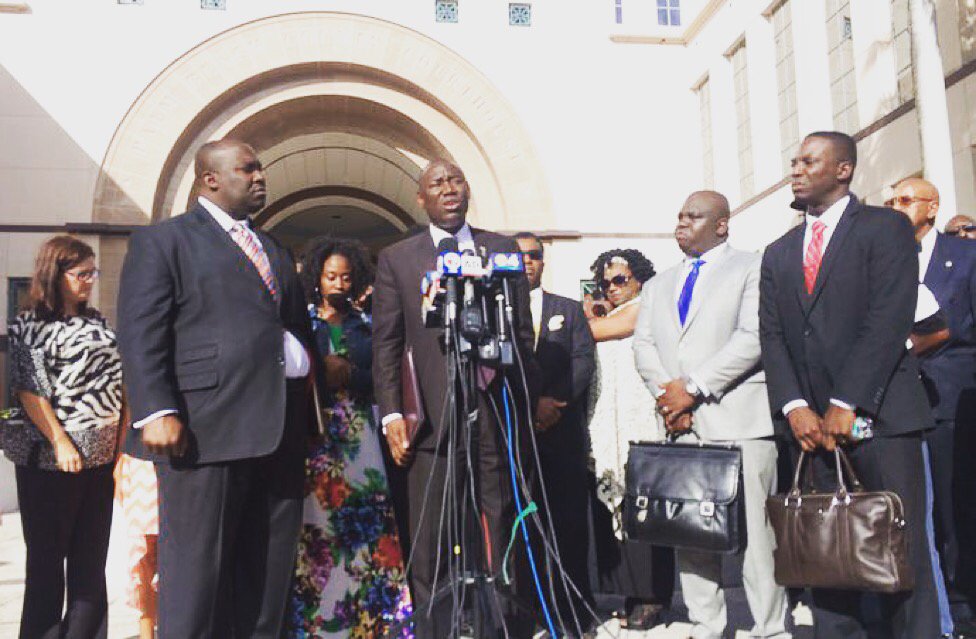
What happened
On October 18, 2015, Corey Jones, a 31-year-old church drummer, was waiting for roadside assistance beside his broken-down car on an Interstate 95 off-ramp in Palm Beach Gardens, Florida. A plainclothes Palm Beach Gardens police officer in an unmarked van approached him and fatally shot him.
In the days that followed, the Palm Beach Gardens Police Department fired Raja, and the FBI joined the investigation. The family’s attorneys pushed back publicly on early suggestions that Jones, who was legally carrying the gun found at the scene, had fired on the officer; the 911 recording of the stop, later made public, supported the family’s account that he had not. Raja was ultimately tried, and on March 7, 2019, a jury convicted him of manslaughter and attempted first-degree murder. He was sentenced to 25 years in prison on April 25, 2019.
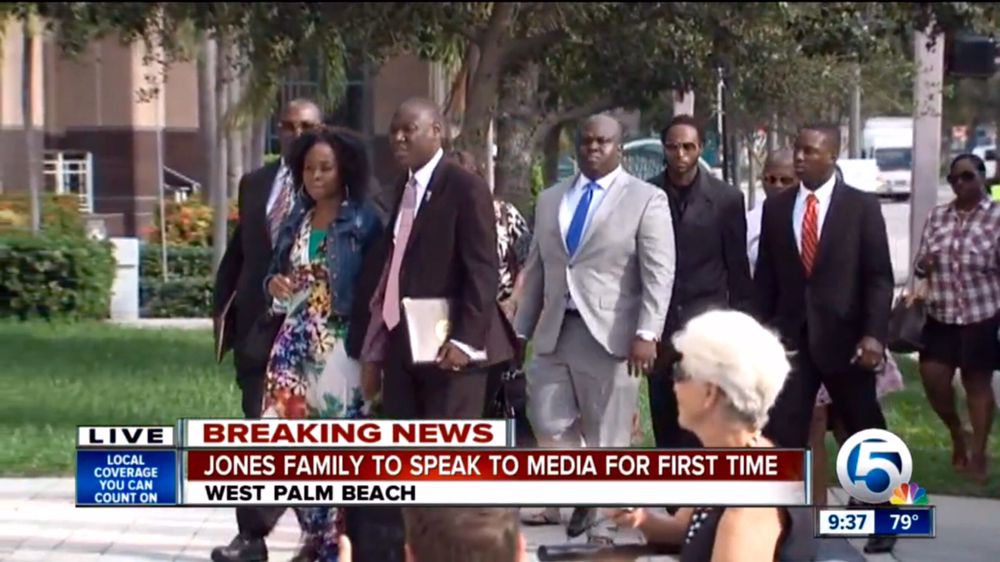
The family’s civil case
Separately from the criminal prosecution, the Jones family pursued a civil claim against the City of Palm Beach Gardens over Corey’s death. The Injury Advocates, led by Kweku Darfoor, was part of the legal team representing the family in that case. In February 2023, nearly seven years after the shooting, the city agreed to a $2 million settlement with the family.
Every case is different. Past results do not guarantee a future outcome.
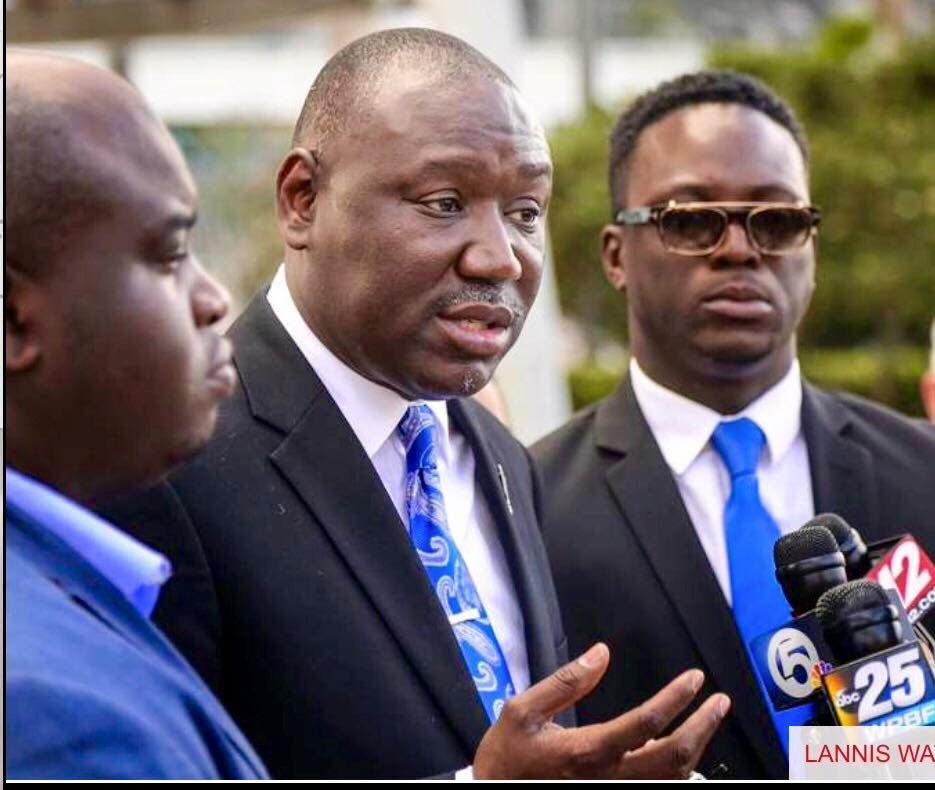
Media coverage of the case
Learn more about how we represent people hurt by law enforcement on our police shooting and excessive force page.
See this and other settlements on our Case Results page.
Our Role in the Case
As local counsel, our firm handled nearly everything the case required on the ground in Palm Beach County. We organized community stakeholders for peaceful protests and public demonstrations in the weeks after the shooting. We appeared on behalf of the family as a spokesperson to the press, and spoke on panels about the case and about policing. And we served as the family’s liaison with the State Attorney’s Office and the investigating agencies while the criminal investigation was underway. That combination of community organizing, public advocacy, and day-to-day work with prosecutors is what a case of this kind demands, and it is work we continue to do for families today.
Families facing a similar loss — whether from a police shooting, an in-custody death, or another act of police misconduct — are often confronting a justice system that moves slowly and a department that controls most of the information. If your family is in that position, we would welcome the chance to talk with you about what comes next.