



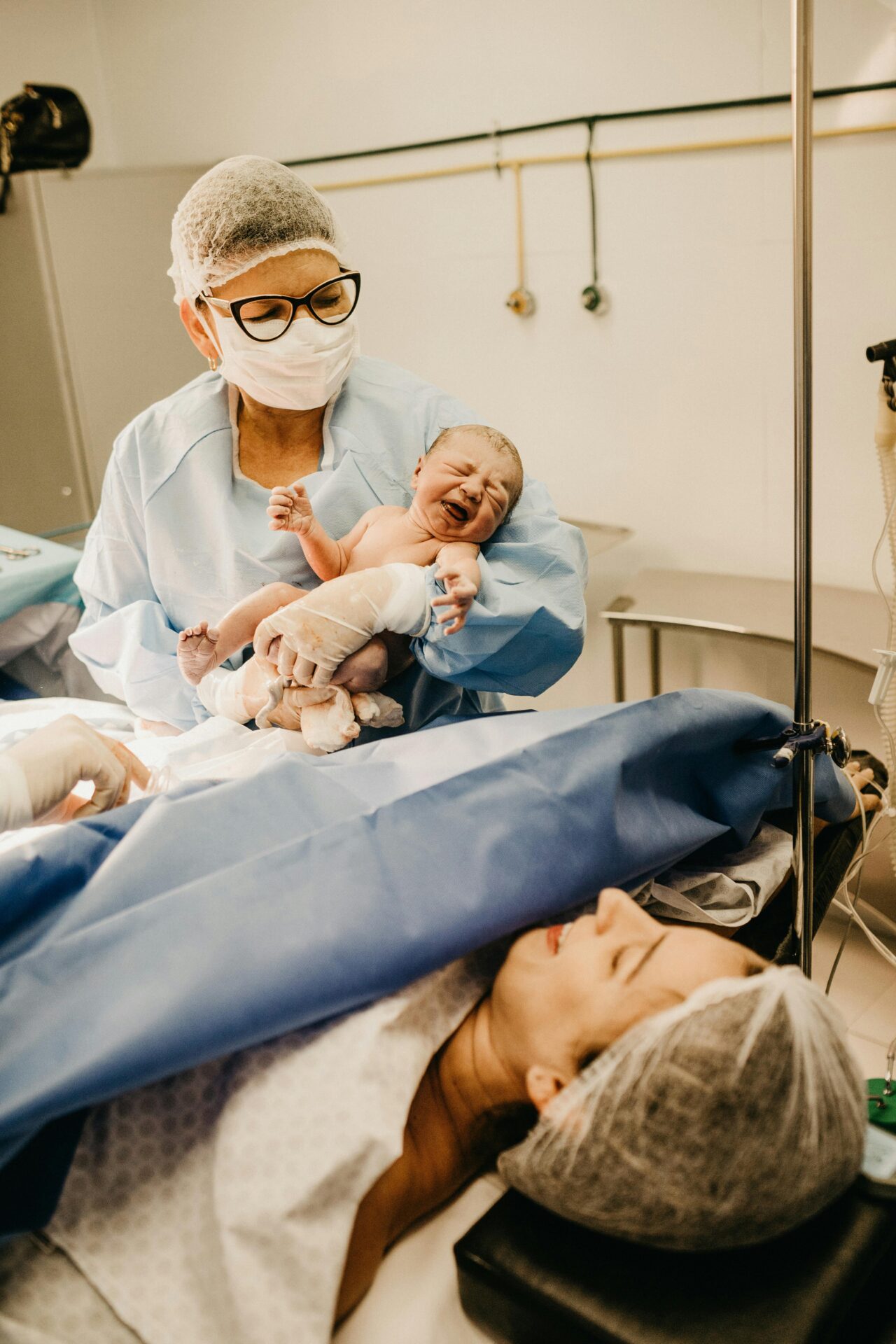
The birth of a child should be the happiest day of a family’s life. When something goes wrong in the delivery room, parents are left with a diagnosis they did not expect, a future they did not plan for, and a question no one at the hospital wants to answer: was this preventable? Birth injury cases are among the most complex in Florida law, because of a unique state program called NICA and because of the strict procedures that govern every medical malpractice claim. This article explains how birth injuries happen, what negligence looks like, and how Florida families can get answers and secure the resources their child will need for life.
Birth defect or birth injury?
A birth defect is a genetic or developmental condition that formed in the womb, such as a congenital heart defect or spina bifida. It is generally no one’s fault, although a failure to diagnose it during prenatal care can sometimes be negligence. A birth injury is harm done to an otherwise healthy baby during labor, delivery or the minutes afterward, usually through oxygen deprivation or physical trauma. Birth injuries are often preventable, and when they result from a medical team’s failure to meet the standard of care, the family has a claim.
Common preventable birth injuries
- Hypoxic-ischemic encephalopathy and cerebral palsy. Brain injury from oxygen deprivation during labor. The fetal heart monitor is designed to warn of distress; when the pattern is misread, ignored or not acted on with a timely cesarean, the result can be permanent brain damage.
- Brachial plexus injuries and Erb’s palsy. Nerve damage to the arm and shoulder, usually when a baby’s shoulder is caught behind the mother’s pelvic bone (shoulder dystocia) and the provider pulls or twists instead of using the recognized maneuvers to free it.
- Skull fractures, brain bleeds and facial nerve injuries from the improper use of forceps or a vacuum extractor.
- Injuries from mismanaged labor drugs, including excessive Pitocin causing contractions too strong and frequent for the baby to recover between them.
- Delayed response to emergencies such as umbilical cord prolapse, placental abruption, uterine rupture or a failed induction.
- Untreated maternal conditions such as preeclampsia, gestational diabetes or infection, and failures in newborn care such as untreated jaundice leading to kernicterus or unrecognized hypoglycemia.
NICA: the first question in every Florida birth injury case
Florida is one of only two states with a no-fault birth injury program. The Florida Birth-Related Neurological Injury Compensation Association, known as NICA, covers a narrow category of injury: a brain or spinal cord injury to a live-born infant weighing at least 2,500 grams (2,000 grams for a multiple birth), caused by oxygen deprivation or mechanical injury during labor, delivery or resuscitation immediately after delivery in a hospital, that leaves the child permanently and substantially impaired both mentally and physically. The delivery must have been by a physician who participates in NICA.
If an injury falls within that definition, NICA is generally the family’s exclusive remedy. The family cannot sue the doctor or the hospital for malpractice, and instead receives NICA benefits: payment of the child’s medically necessary care for life, a lump-sum award to the parents, and other defined benefits that the Legislature has expanded in recent years. Claims are filed with Florida’s Division of Administrative Hearings and must be filed within five years of the birth.
Many birth injuries do not fit NICA. A brachial plexus injury, a child who is physically but not mentally impaired, a baby below the weight threshold, or an injury that happened during prenatal care or after the immediate post-delivery period all fall outside the program, and the family may bring a medical malpractice claim. Even when the injury appears to qualify, there are exceptions: if the physician or hospital failed to give the mother the required notice that they participated in NICA, the family may be able to opt out of NICA and sue. Whether a case belongs in NICA or in court is a fact-intensive question with enormous consequences, and it should be answered by a lawyer who has seen both paths.
Medical malpractice claims: Florida’s presuit rules and deadlines
A birth injury malpractice claim outside NICA follows Chapter 766 of the Florida Statutes. Before a lawsuit can be filed, the family must conduct a presuit investigation, obtain a verified written opinion from a qualified medical expert that there are reasonable grounds to believe negligence occurred, and serve a notice of intent on each defendant. A 90-day presuit period follows in which the providers investigate and may offer to settle, arbitrate or deny the claim. Only then can suit be filed.
The deadline is generally two years from when the injury was or should have been discovered, with an outer limit of four years from the incident. For children, Florida law provides that the four-year limit does not bar a claim brought on or before the child’s eighth birthday. These rules have exceptions and traps, and the presuit process itself takes months, so families should not wait. Since the Florida Supreme Court struck down the caps on non-economic damages in medical malpractice cases in 2017, there is no statutory ceiling on a child’s recovery for pain, suffering and loss of enjoyment of life.
The lifetime cost of care
A child with cerebral palsy or a severe brachial plexus injury may need physical, occupational and speech therapy for years, surgeries, orthotics, wheelchairs and adaptive equipment, home and vehicle modifications, special education support, and in the most serious cases round-the-clock nursing care. A life care planner projects those needs over the child’s expected lifetime, and an economist converts them to present value. The totals routinely reach into the millions, before accounting for the child’s lost earning capacity and the income a parent gives up to become a caregiver. A birth injury claim is not about blame. It is about making sure that money, not the family’s savings, pays for that care.
What to do now
Request the complete records: the mother’s prenatal chart, the labor and delivery record, the fetal heart monitoring strips, the operative report if there was a cesarean, the newborn and NICU records, and the placental pathology if one was done. Do not sign anything from the hospital’s risk management office without advice. Keep a journal of diagnoses, appointments and milestones. Then talk to a lawyer who handles birth injury cases in Florida and who can evaluate the NICA question before any deadline passes.
The Injury Advocates is a Plantation-based personal injury firm serving Fort Lauderdale, Broward County and South Florida. If your child was injured at birth, call (754) 812-8444 or 833-DARFOOR, or send us a message. The consultation is free and you owe no fees or costs unless we recover for you. Learn more about our birth injury practice and our medical malpractice practice.
Kweku Darfoor is the founder of The Injury Advocates (Darfoor Law Firm, P.A.), a member of The Florida Bar since 2014, and a Plantation-based personal injury attorney representing seriously injured people and their families across Fort Lauderdale, Broward County, and South Florida. This content is for general information and is not legal advice.