


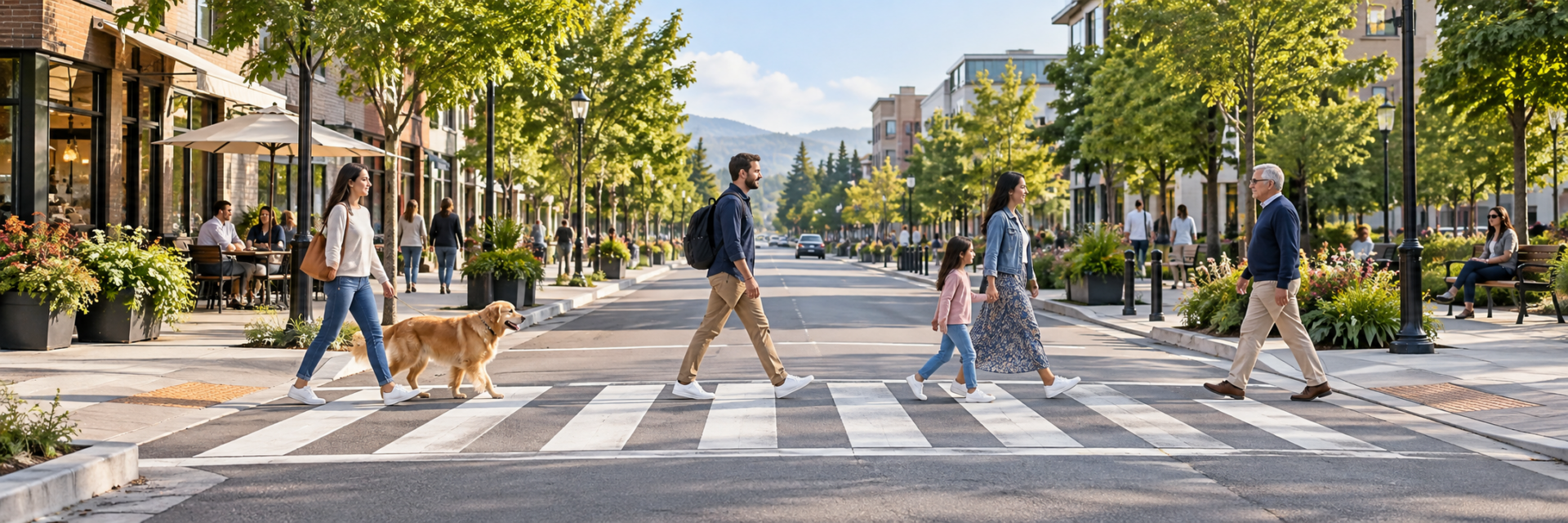
When daylight saving time ends in early November, the sun sets during rush hour instead of after it. Nothing about the roads changes, but suddenly thousands of people are walking, biking, and driving home in the dark.
Pedestrian deaths climb in the weeks that follow. The reason is simple. Drivers are used to seeing clearly at 6 p.m., and their eyes need weeks to adjust to low-light driving. Headlight glare, wet pavement, and unlit sidewalks make it worse.
South Florida has an added problem. Many of our busiest corridors have wide lanes, long gaps between crosswalks, and bus stops placed mid-block. People cross where it is convenient, not where it is marked, and drivers do not expect them.
What often causes these crashes:
- Drivers turning right on red without scanning the crosswalk
- Speeding on roads with poor lighting
- Failure to yield at unmarked crosswalks, which Florida law still protects
- Burned out streetlights the city or county never repaired
That last point matters. If a light has been out for months and reports were filed, a government entity may share responsibility. Those claims have short notice deadlines, so do not wait.
If you are struck, call 911 even if you feel okay. Adrenaline hides real injuries, and a police report locks in the driver’s information. Ask witnesses for their numbers before they leave. Do not talk to the driver’s insurance company before you understand what your claim is worth.
Review pedestrian safety data at the National Highway Traffic Safety Administration.
Hit while walking? The Injury Advocates team handles pedestrian accident claims across South Florida. Call 754-812-8444 for a free case review.