


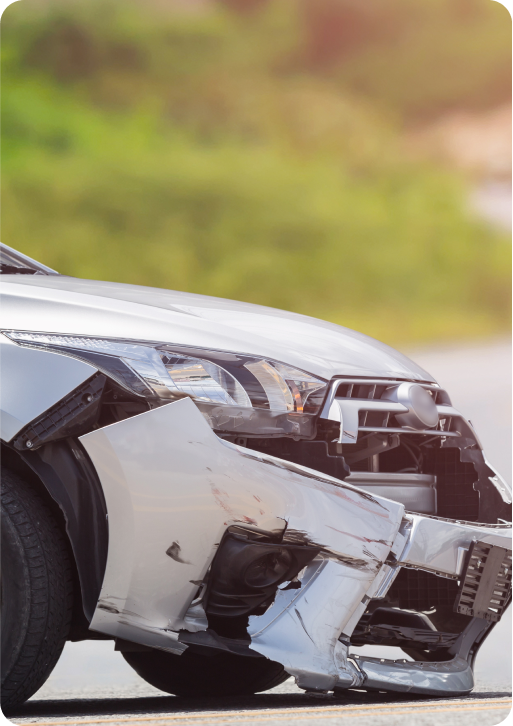
It’s a common favor: “Can I borrow your car real quick?” You hand over the keys without a second thought. But under Florida law, lending your car can make you financially responsible if the driver causes a crash, even if you were nowhere near the accident.
This guide explains how Florida’s car owner liability law works, how much an owner can owe, whether anything has changed recently, and what to do if you were hurt by someone driving a borrowed car.
Updated October 2026.
Is There a New Florida Law About Lending Your Car?
Not in 2026. The rules that apply when you lend your car have been in place for years. Florida courts have held vehicle owners responsible for the people they let drive their cars for about a century, and the Legislature added limits on how much an individual owner can owe in 1999. Proposals to overhaul Florida’s auto insurance system, such as 2026’s House Bill 769, which would have repealed the state’s no-fault law, did not pass.
If you have heard about a “new law,” it may be a reference to these owner liability limits, to Florida’s 2023 changes to its negligence law (which bar recovery for an injured person found more than 50 percent at fault), or to separate rules for rental and rideshare vehicles. Here is how the law works today.
Florida’s Dangerous Instrumentality Doctrine
Florida treats a car as a “dangerous instrumentality.” Under this long-standing doctrine, the owner of a vehicle can be held responsible when someone they allowed to drive it causes a crash through negligence. The owner does not have to be in the car, and does not have to have done anything wrong. Giving permission is enough.
This is why people say that in Florida, insurance follows the car, not the driver. When a borrowed car is in a crash, the owner’s auto policy is usually the first to respond, and the driver’s own insurance, if any, may apply after it.
How Much Can a Car Owner Owe?
Florida law limits the liability of an individual owner who lends a car to a permitted driver. Under Florida Statute § 324.021(9)(b)3, the owner is liable for up to:
- $100,000 per person for bodily injury
- $300,000 per incident for bodily injury
- $50,000 for property damage
If the driver who borrowed the car has less than $500,000 in combined bodily injury and property damage liability coverage, the owner can also be liable for up to an additional $500,000 in economic damages, such as medical bills and lost income.
These limits apply to the owner’s responsibility for the driver’s negligence. They may not protect an owner whose own conduct contributed to the crash, as explained below.
When Lending Your Car Creates More Risk
You may face a separate claim for negligent entrustment if you lend your car to someone you knew or should have known was unfit to drive, such as a person who:
- Has no license or a suspended license
- Has been drinking or using drugs
- Has a history of reckless driving or crashes
- Is too inexperienced to drive safely
Other situations to watch for:
- Excluded drivers. If a household member is specifically excluded from your policy, your insurance may not cover a crash when that person drives.
- Teen drivers. The adult who signs a minor’s driver license application is generally jointly liable for the minor’s negligent driving under Fla. Stat. § 322.09.
- Rideshare and delivery work. Letting someone use your car to drive for a rideshare or delivery app can create gaps in a personal auto policy.
When the Owner Is Usually Not Responsible
- The car was stolen or taken without your permission.
- You sold the car and properly completed the transfer of ownership.
- The car belongs to a rental or leasing company. Different rules apply, and federal law generally protects rental companies from liability based only on owning the car.
How to Protect Yourself Before You Lend Your Car
- Only lend your car to licensed, sober, responsible drivers.
- Review your policy for permissive-use coverage and excluded drivers.
- Ask whether the driver has their own auto insurance.
- Consider higher liability limits or an umbrella policy if others drive your car often.
- Do not let anyone use your car for rideshare or delivery work unless your coverage allows it.
Hurt by Someone Driving a Borrowed Car?
If you were injured by a driver who did not own the car, you may be able to recover from both the driver and the vehicle’s owner. That often means more insurance is available than you might expect: the owner’s policy, the driver’s own policy, and your own PIP and uninsured or underinsured motorist coverage. Identifying every source of recovery early is one of the most important parts of a serious injury case. Learn more on our car accident page.
The Injury Advocates represents people across Broward, Miami-Dade, and Palm Beach counties who have been seriously injured in crashes. Your consultation is free, and you owe no attorney’s fees or case costs unless we win. Call 833-DARFOOR or (754) 812-8444.
Frequently Asked Questions
Am I liable if someone crashes my car in Florida?
Usually, yes, if you gave that person permission to drive. Under Florida’s dangerous instrumentality doctrine, the owner can be held responsible for a permitted driver’s negligence. For an individual owner, that liability is generally limited to $100,000 per person and $300,000 per incident for bodily injury and $50,000 for property damage, plus up to $500,000 in additional economic damages if the driver had less than $500,000 in liability coverage.
Does my car insurance cover someone else driving my car?
In most cases, yes. In Florida, coverage generally follows the car, so your policy usually covers drivers you allow to use it. Common exceptions include drivers who are specifically excluded from your policy and using the car for business, rideshare, or delivery work. Check your policy before you lend your car.
What if the person who borrowed my car was drunk or unlicensed?
You may face a separate negligent entrustment claim if you knew or should have known the driver was unfit to drive, such as someone who was impaired, unlicensed, or reckless. That claim is based on your own conduct, and the statutory limits on owner liability may not protect you.
What if my car was stolen?
Generally, an owner is not responsible under the dangerous instrumentality doctrine when the car was stolen or taken without permission. Report a stolen vehicle to the police right away.
I was hit by someone driving a borrowed car. Who pays?
You may be able to recover from both the driver and the car’s owner, which often means more insurance is available. The owner’s policy, the driver’s own policy, and your own PIP and uninsured or underinsured motorist coverage may all apply.
This article provides general information about Florida law and is not legal advice. Every case is different. For advice about your situation, contact an attorney.
Kweku Darfoor is the founder of The Injury Advocates (Darfoor Law Firm, P.A.) and a Florida personal injury attorney with more than a decade of experience representing seriously injured people and their families. This content is for general information and is not legal advice.