


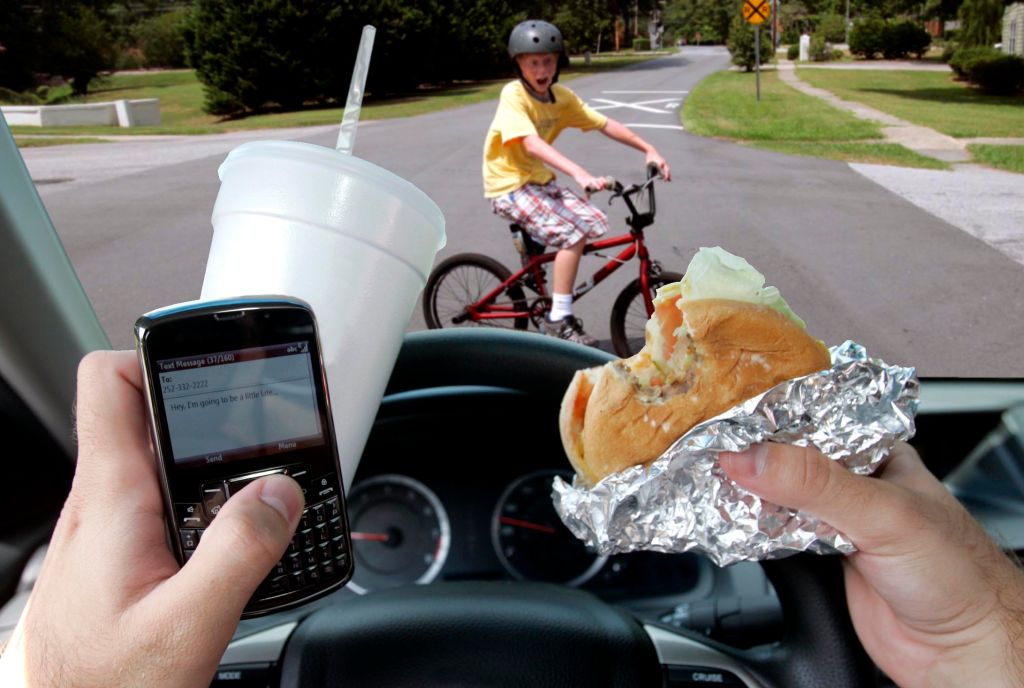
We often hear the phrase, “It was just a mistake.” But when that mistake leads to someone getting hurt, it can become something much more serious.
In personal injury law, carelessness is often referred to as negligence.
What Is Negligence?
Negligence happens when someone fails to act with reasonable care, resulting in harm to another person.
This can occur in everyday situations, such as:
- Not cleaning up a spill in a public place
- Distracted driving
- Ignoring safety procedures
- Failing to fix known hazards
Why “Just a Mistake” Still Matters
Even unintentional actions can have real consequences. If someone’s carelessness causes injury, they may still be held legally responsible.
Intent is not always required—what matters is whether reasonable care was taken.
Common Examples of Negligence
- A driver texting and causing an accident
- A store failing to clean a wet floor
- A property owner ignoring broken stairs
- A workplace ignoring safety risks
What Needs to Be Proven?
To have a valid personal injury case, four key elements are usually required:
- Duty of care
- Breach of that duty
- Causation (the breach caused the injury)
- Damages (you suffered losses)
What Should You Do If You’re Injured?
- Seek medical attention
- Document the incident and injuries
- Gather witness information
- Keep records of expenses and treatment
- Speak with a legal professional
Final Thoughts
Mistakes happen—but when those mistakes cause harm, you have the right to understand your options. Taking action doesn’t mean assigning blame—it means protecting your well-being and future.